Back to the Alderney Holocaust and Slave Labour Trail trail
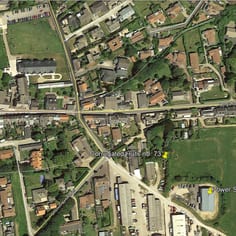
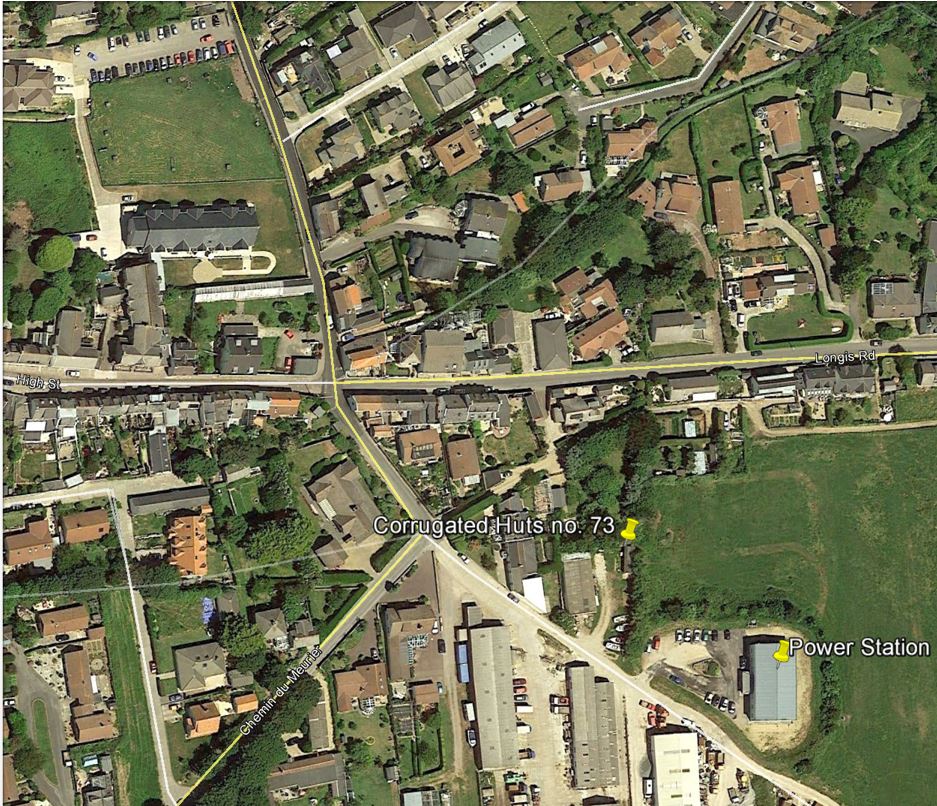
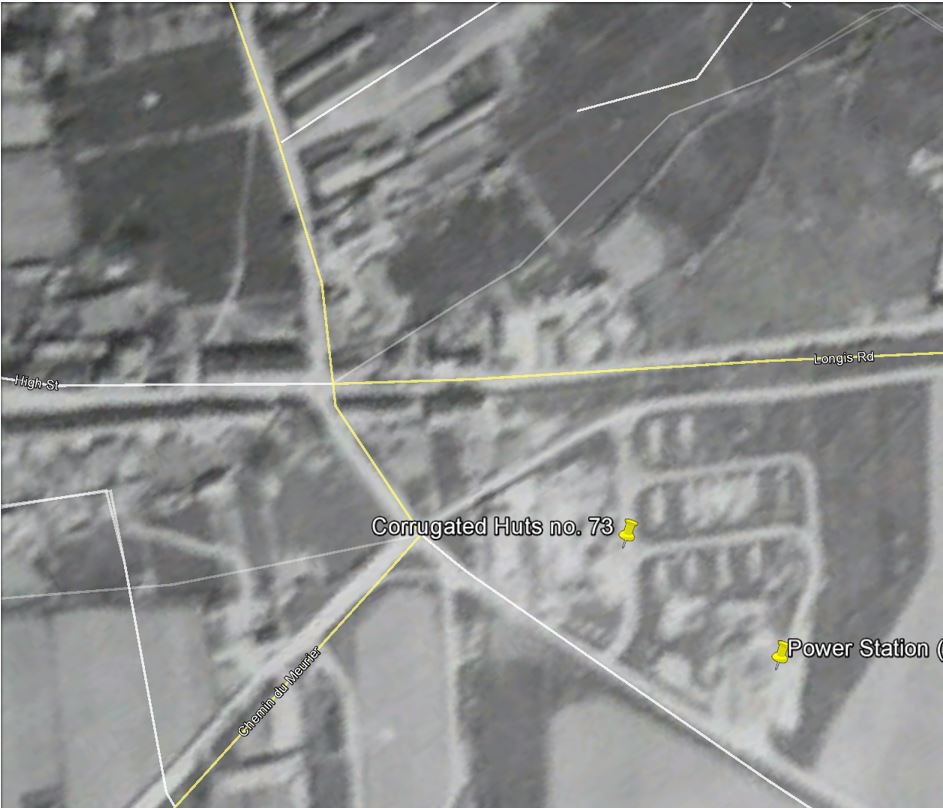
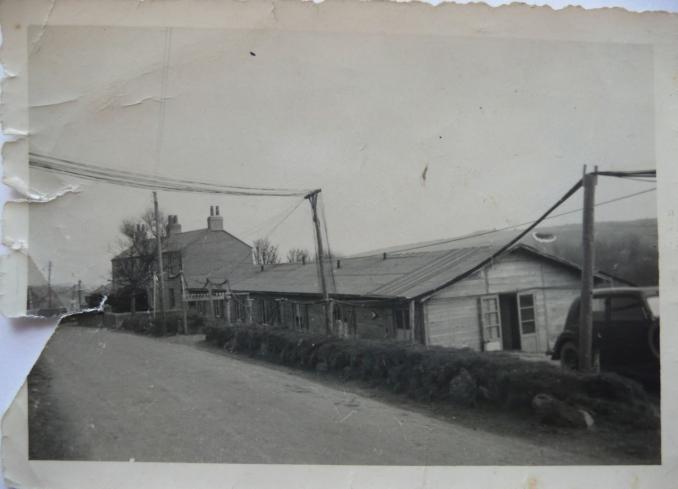
Site of corrugated huts / Camp near to former power station. Significant ground level remains of the former hut / camp site are visible.
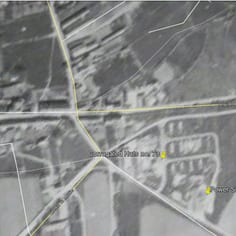
Corrugated huts / Camp site. The MI 19 Report states, No. 73. Well dressed lines of low corrugated iron, semi-circular huts, each about 6 ft high. Informants do no know what is in them. This is a potential labour camp site, or strategic materials site neat to the 'Power Station'.
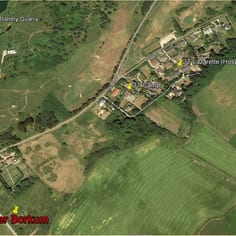
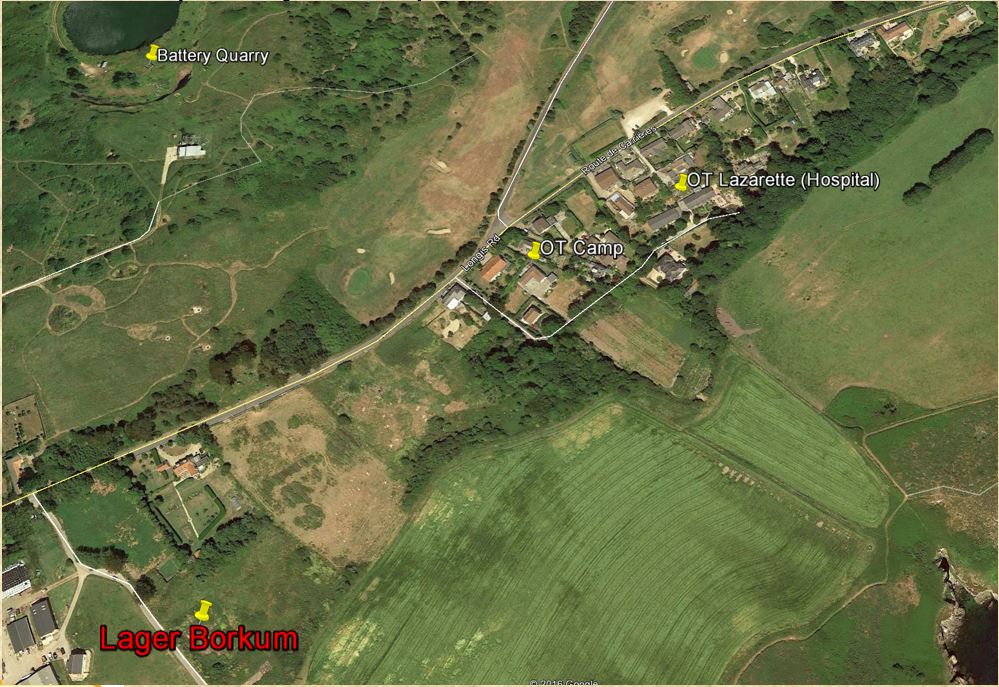
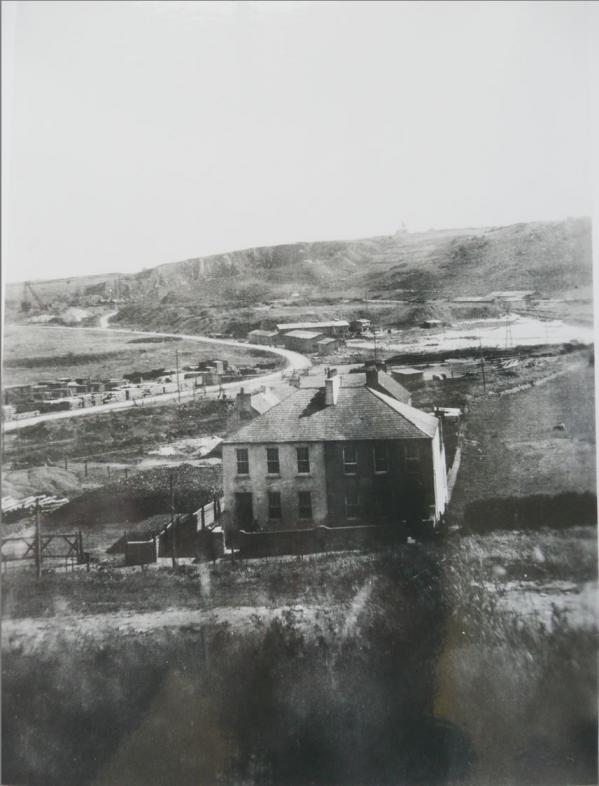
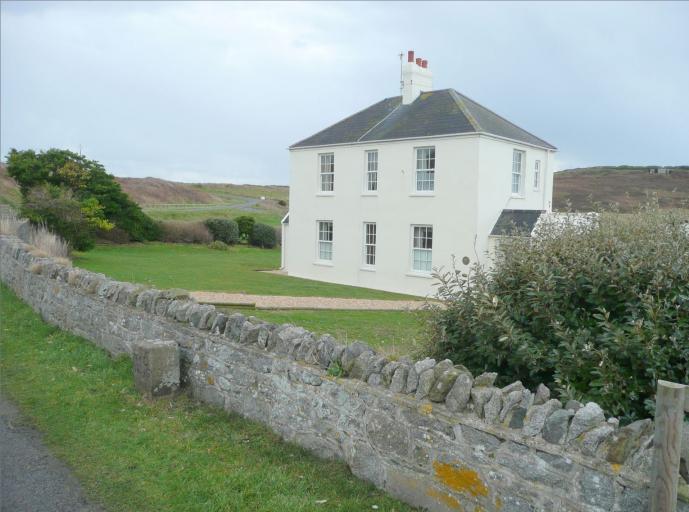
The British situation map shows an additional OT camp and hospital, at a location the Germans called 'Borkumhauser' near Borkum, and set around Barrackmaster's Lane. The nature of its occupants and use are not clear,though the camp was close to the house occupied by the superintendent of all of the OT Works.
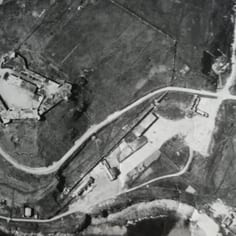
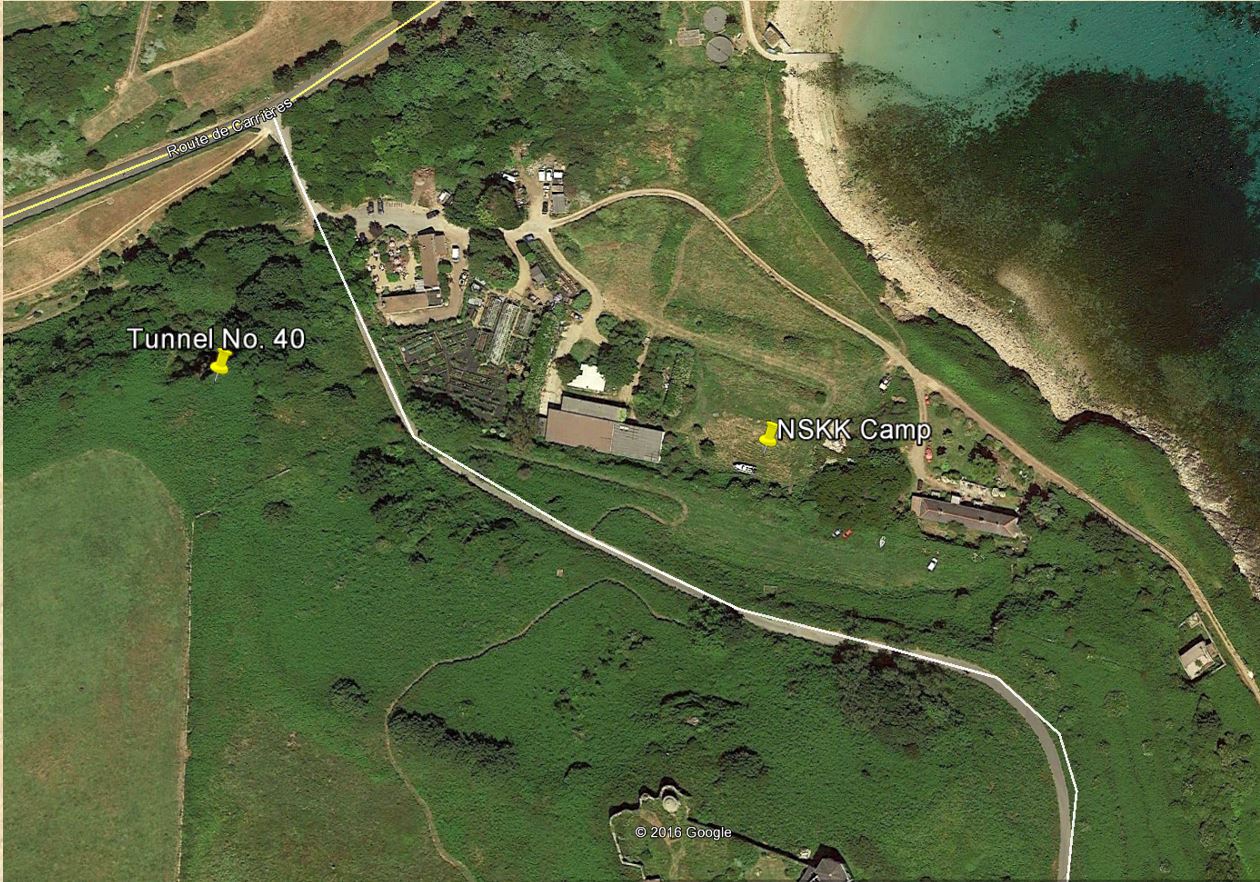
The former OT Camp and NSKK site. The MI 19 Report indicates that the NSKK took over existing O.T. huts and by implication, camp.
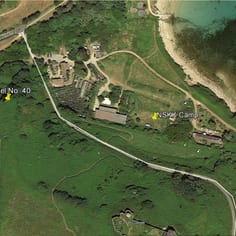
Site of an OT Camp taken over by NSKK (German Transport) near to Fort Essex Tunnel and construction site. The MI 19 reports states: 'All these huts are taken over by the OT. for drivers', indicating this had an earlier use as a camp.
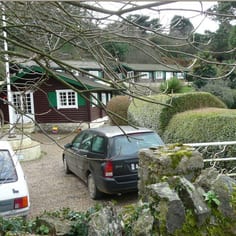
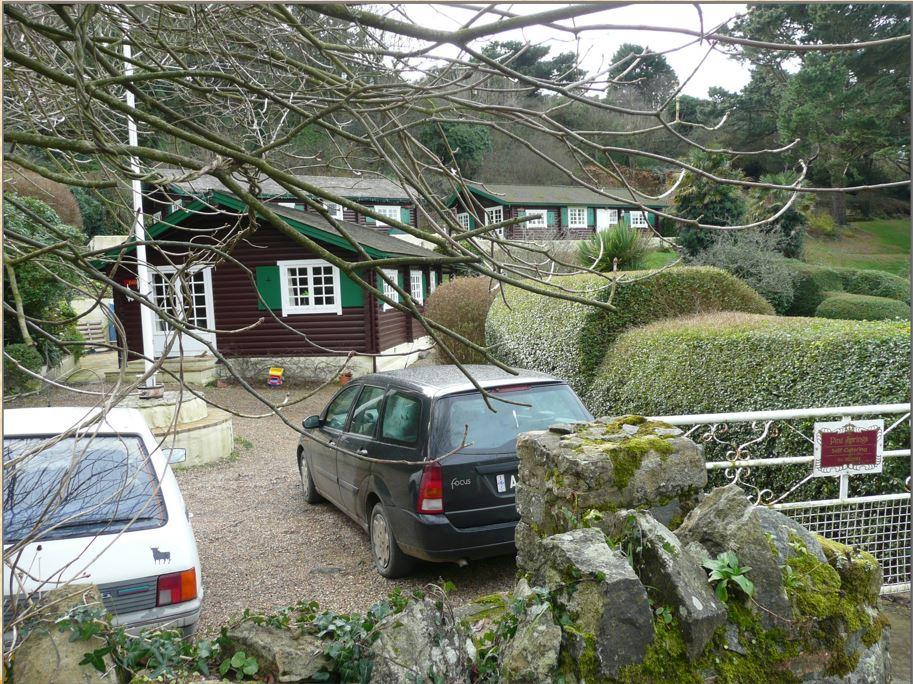
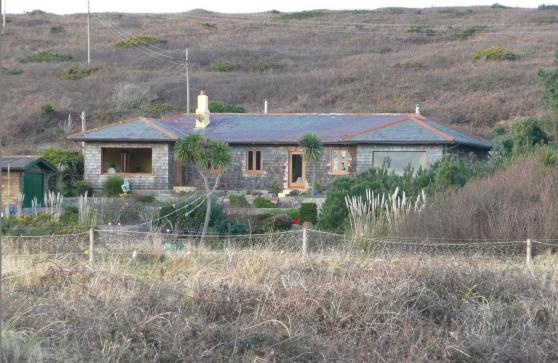
Site of OT Camp and Debau Canteen - Site 'B' on MI 19 Map, now 'Pine Springs. The huts may be original huts from the OT Camp.
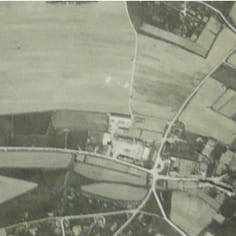
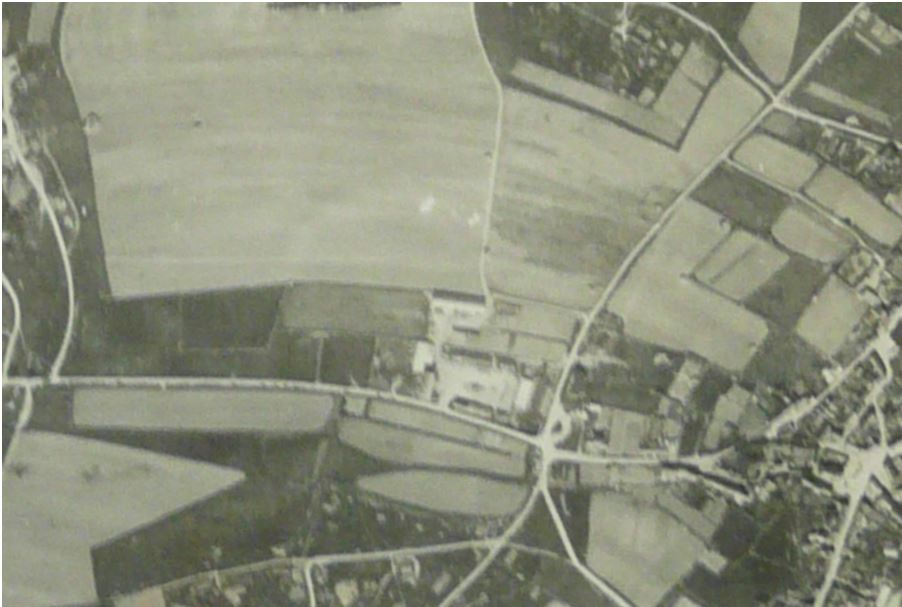
The OT Farm and Camp, at Mignot Farm, is another small camp and site of terror, identified by JTrails and can be seen in this war-time aerial photograph, at the NW of the road junction. Some parts of the camps remain.
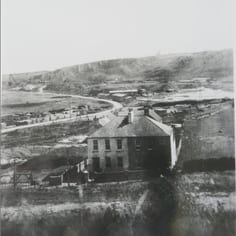
The site of the Jewish Camp at Newtown. This is behind the houses identfied by JTrails, in the foreground, which may have been the billets for the Jewish prisoners. These next to 'Peacehaven' a former German hut which has a Star of David carved in the roof.
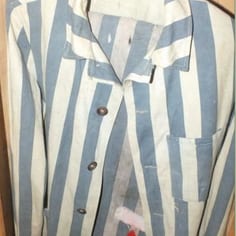
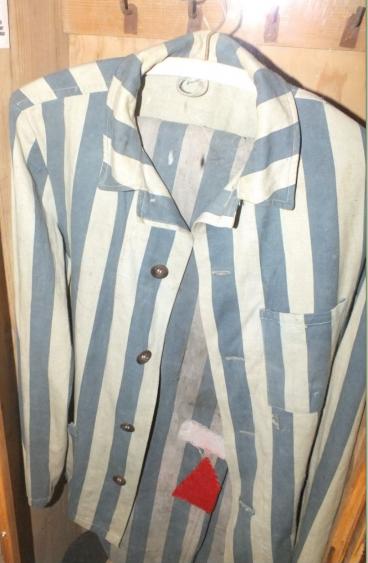
Concentration Camp prisoner's striped pyjama uniform from Lager Sylt (found at Fort Albert)
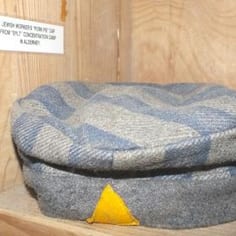
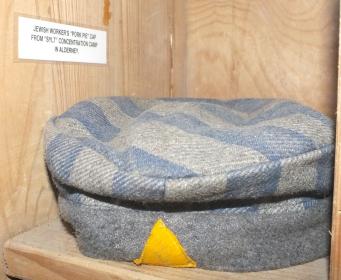
Cap from Lager Sylt concentration camp prisoner uniform at Guernsey Museum.
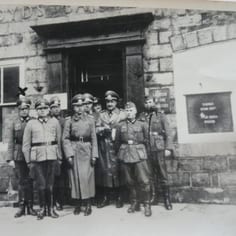
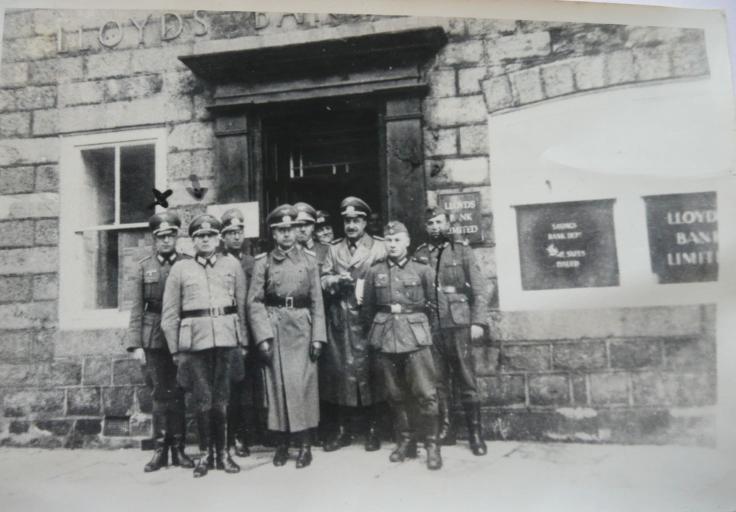
Major Hoffman pictured in front of Lloyds Bank, St Annes (arrowed). He was in charge of all construction and slave labour but avoided justice at the end of the War.
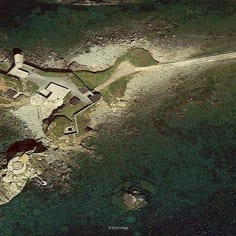
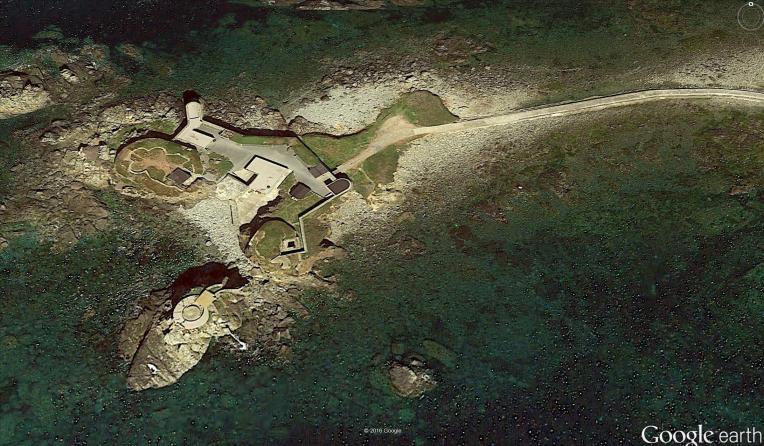
Fort Clonque and Causeway. Prisoners constructed the causeway and were executed by being thrown off the cliffs at the fort.
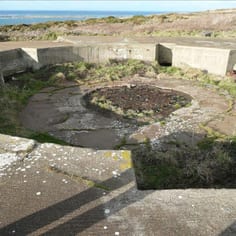
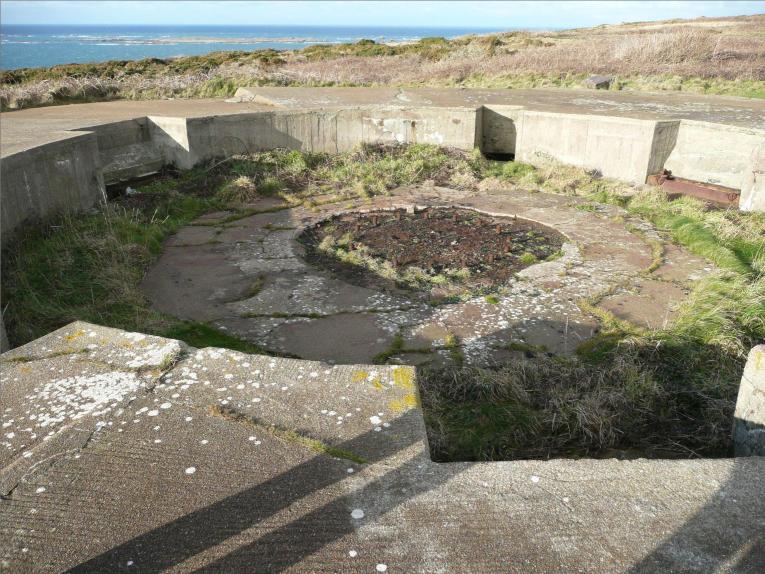
A kettle-pit gun at West Batterie. There was a 70% mortality rate among the prisoners constructing the site.
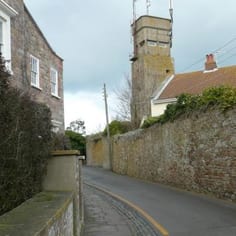
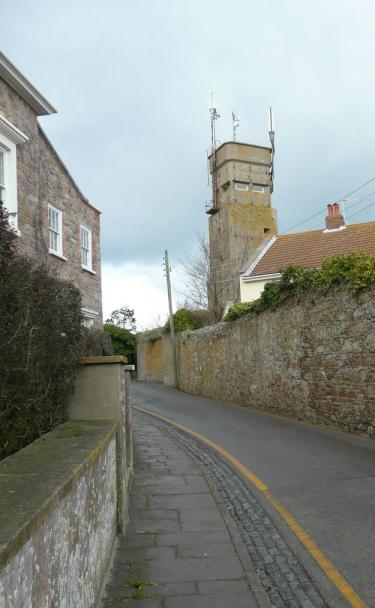
The Luftwaffe Tower at St Annes; one of the most visible reminders of German occupation in St Annes.
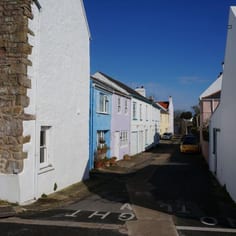
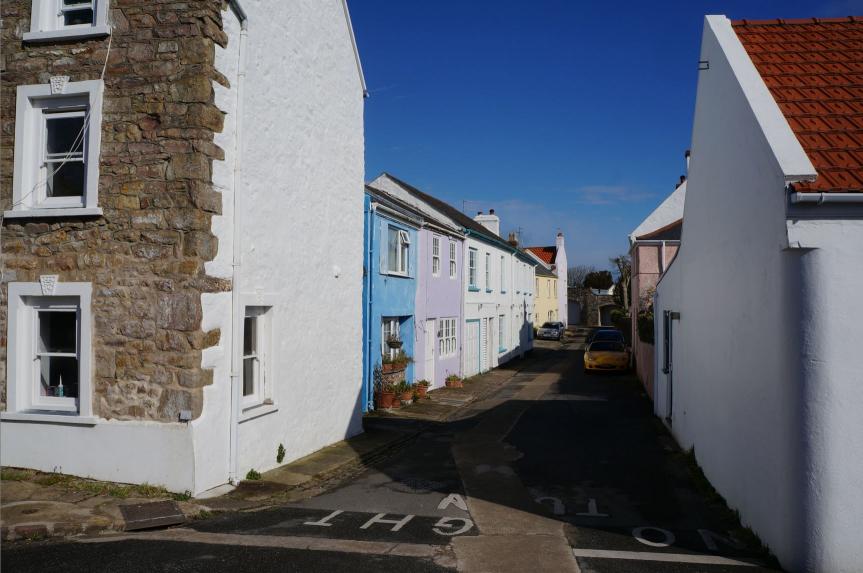
Part of Citidella Camp with billets for Moroccan POW's (houses on left-hand side), included all of the houses in the block.
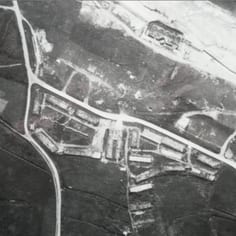
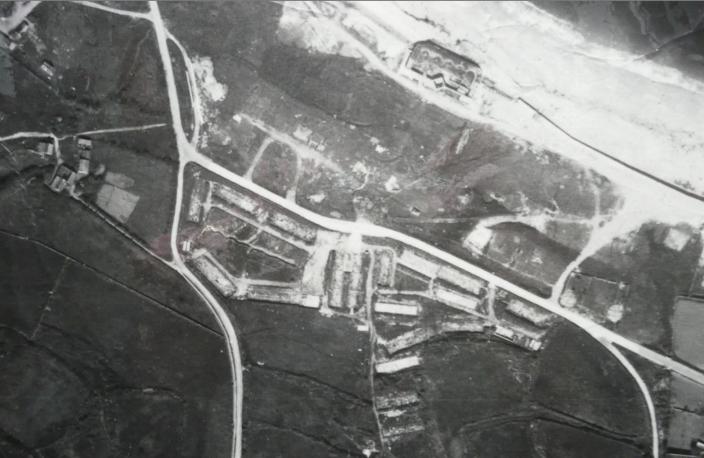
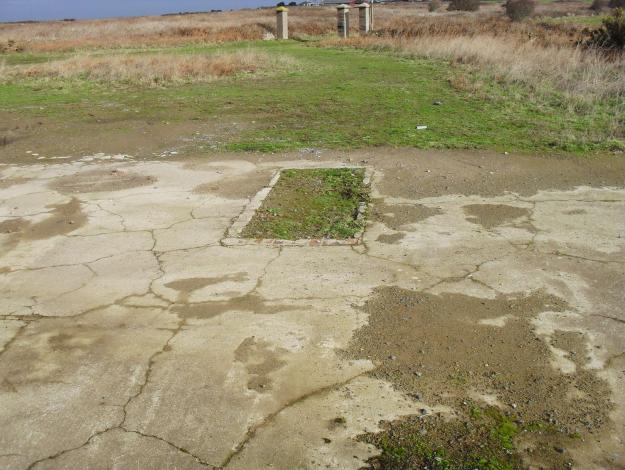
Helgoland Camp from the air showing hut bases and internal roads, after it had been dismantled. The beach depot can be seen to the north. (PRO 1949)
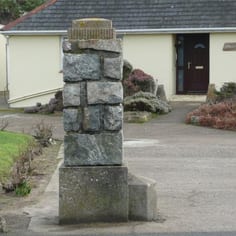
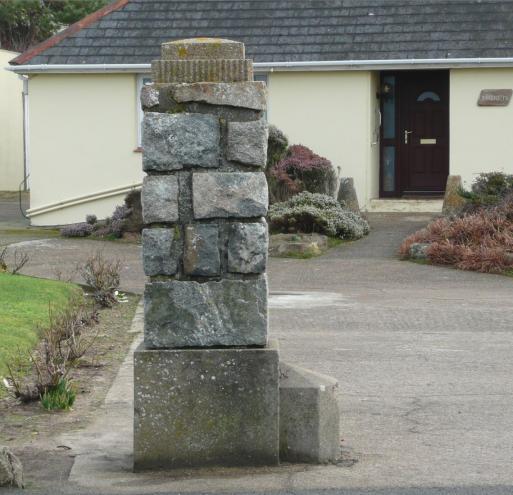
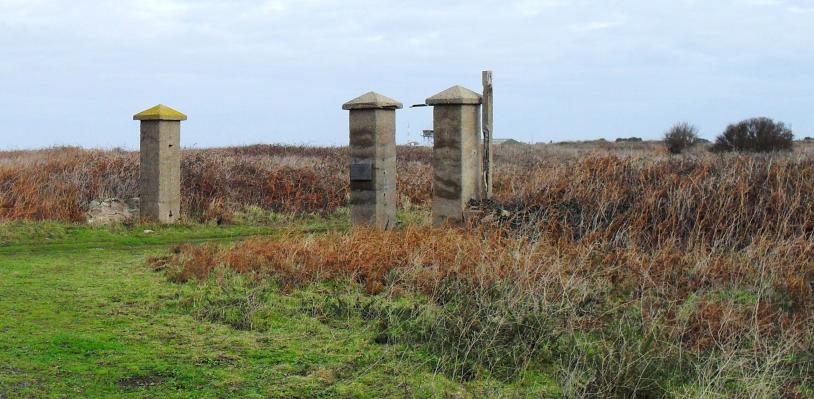
The remains of a gate post of Lager Helgoland one of the few remains of the camp which was dismantled before the end of the War by the Germans.
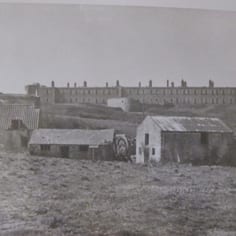
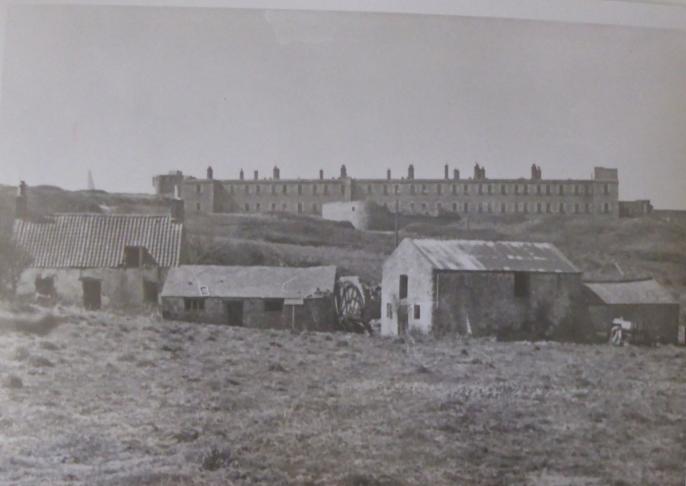
Watermill Farm with Fort Tourgis behind, the house of Frank Oselton on of the few Britons who stayed on during the occupation.
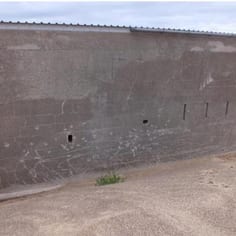
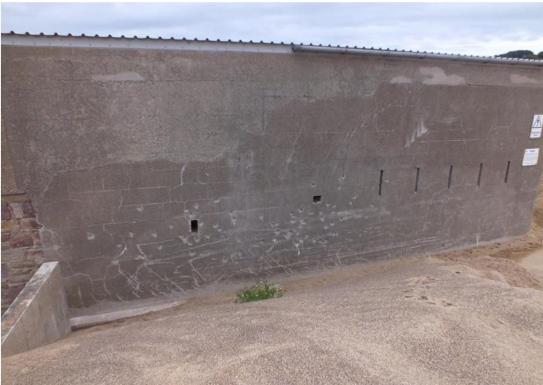
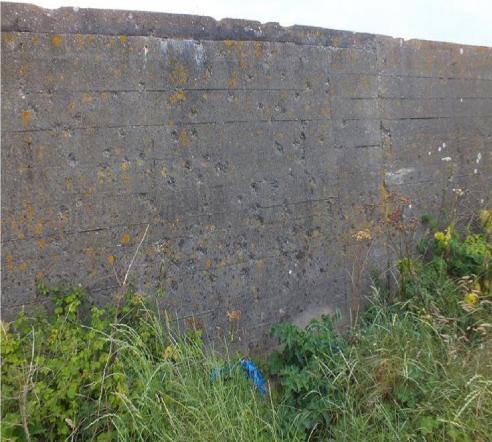
A possible execution site at the Gravel Works, Le Petit Val. The bullet craters still have some bullets embedded in them.
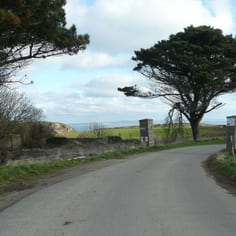
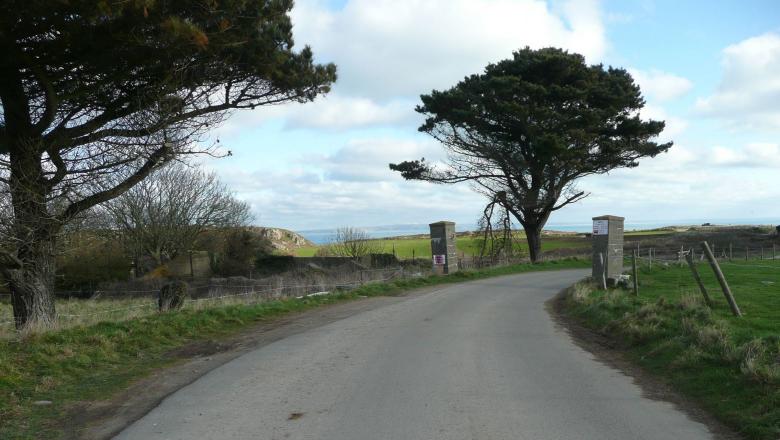
The surviving gates of Lager Borkum. Conditions were largely better at this camp with prisoners avoiding mistreatment
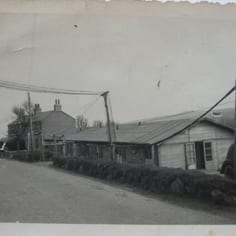
The former German hut and Lazarette next to no. 1 & 2. Longis Villas (Ph. in Alderney Museum)
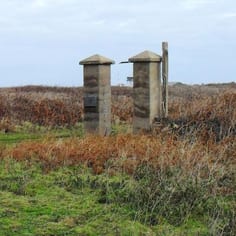
Outside of the gates of Camp Sylt, the most western SS concentration camp and the only concentration camp on British territory. The gates were frequently used for the execution of prisoners.
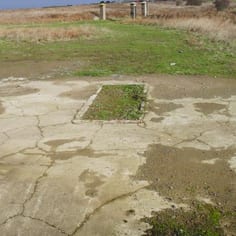
Looking towards the entrance of Camp Sylt from the well-preserved hut base of one of the SS Barracks occupying a compound in front of the gates.
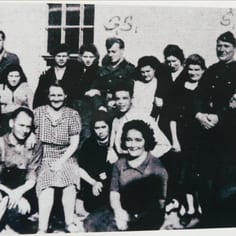
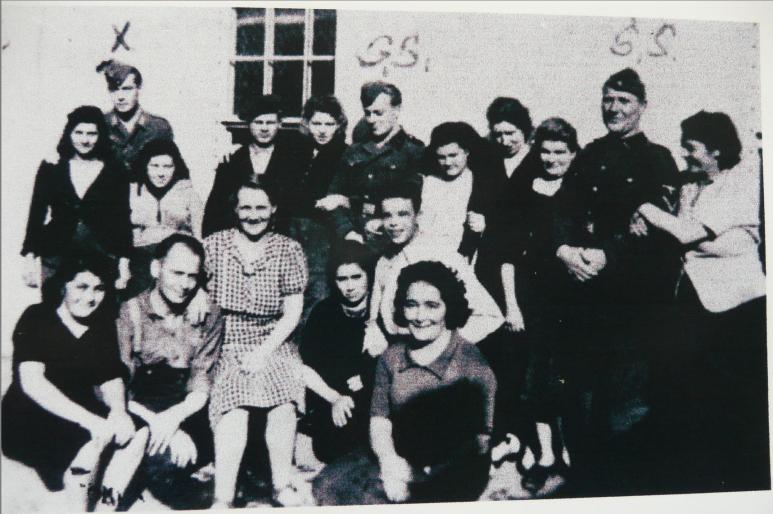
Lager Sylt: Algerian prostitutes pictured in Sylt Camp. SS Rottenfuhrer Paulsen and a brutal war-criminal, is on the right (labelled as 'SS'). (Alderney Museum.
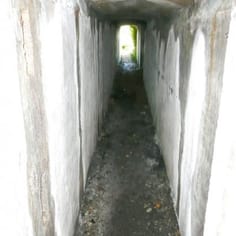
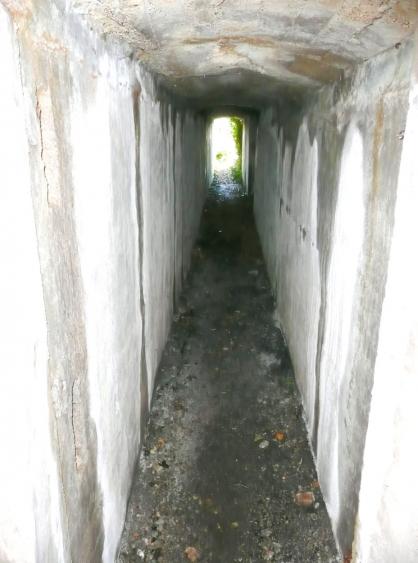
The Sylt tunnel looking back towards its exit to List's Chalet.
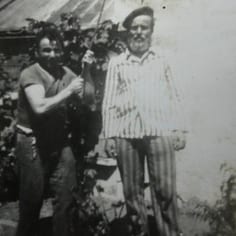
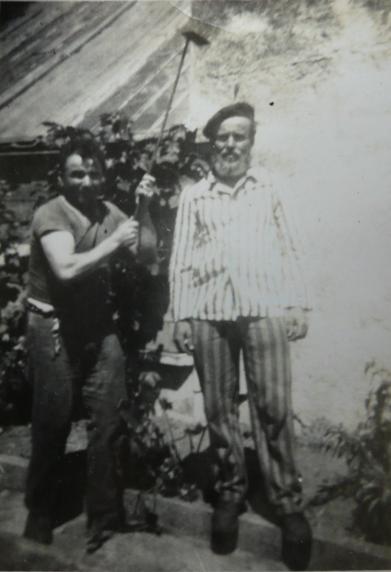
An SS prisoner from Lager Sylt being posed as if for a beating. (Alderny Museum)
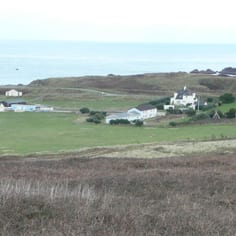
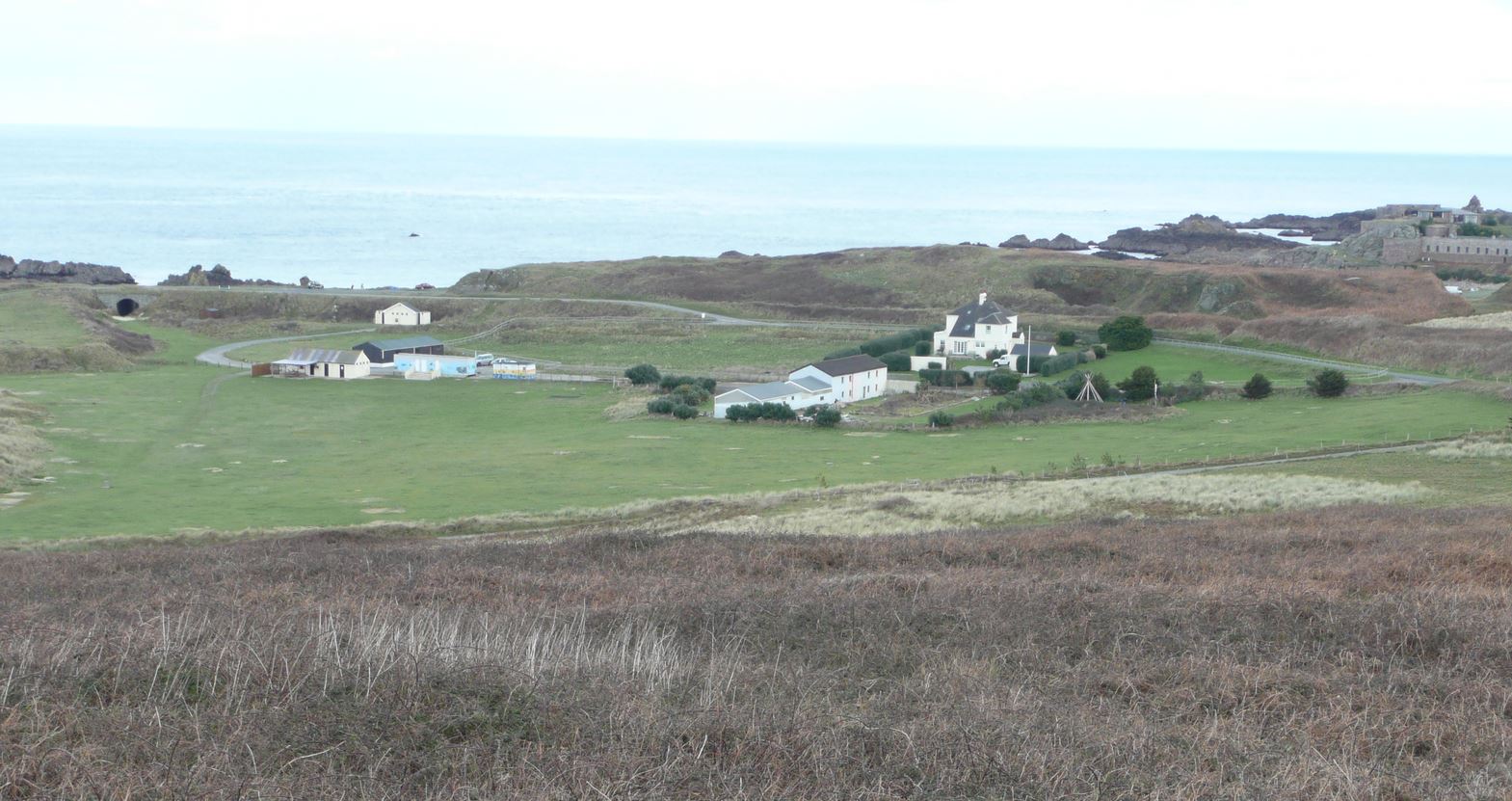
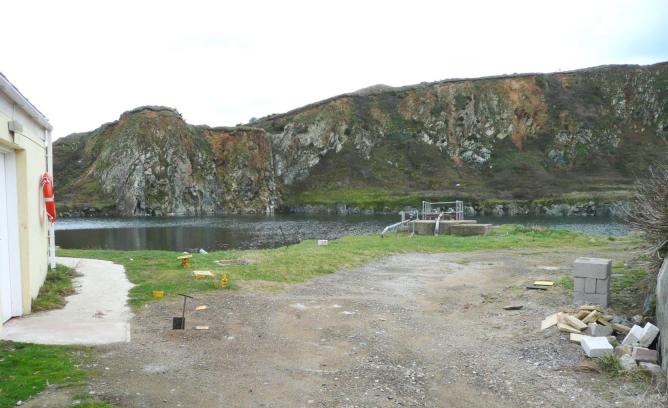
The site and remains of Norderney Camp today (part of the original kitchen block, latrines, hut bases and the Commandant's house remains, with many other remains just below the surface, now in use as a recreational camp site.
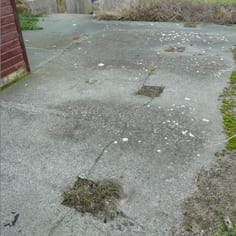
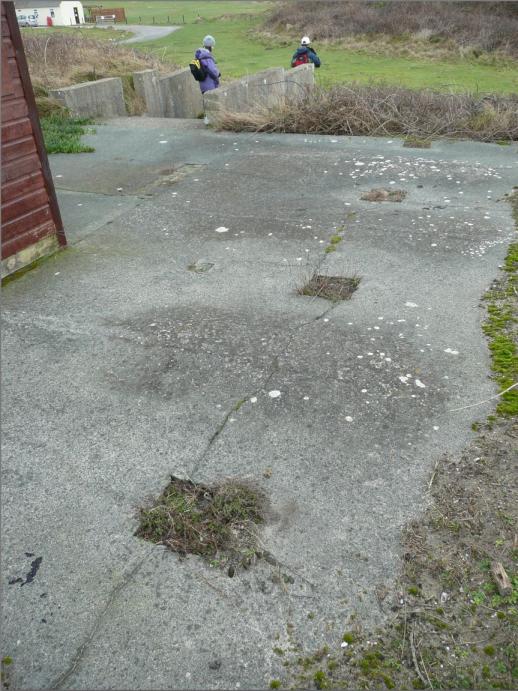
Norderney Camp - remains of the latrine block near the tunnel.
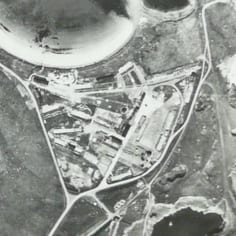
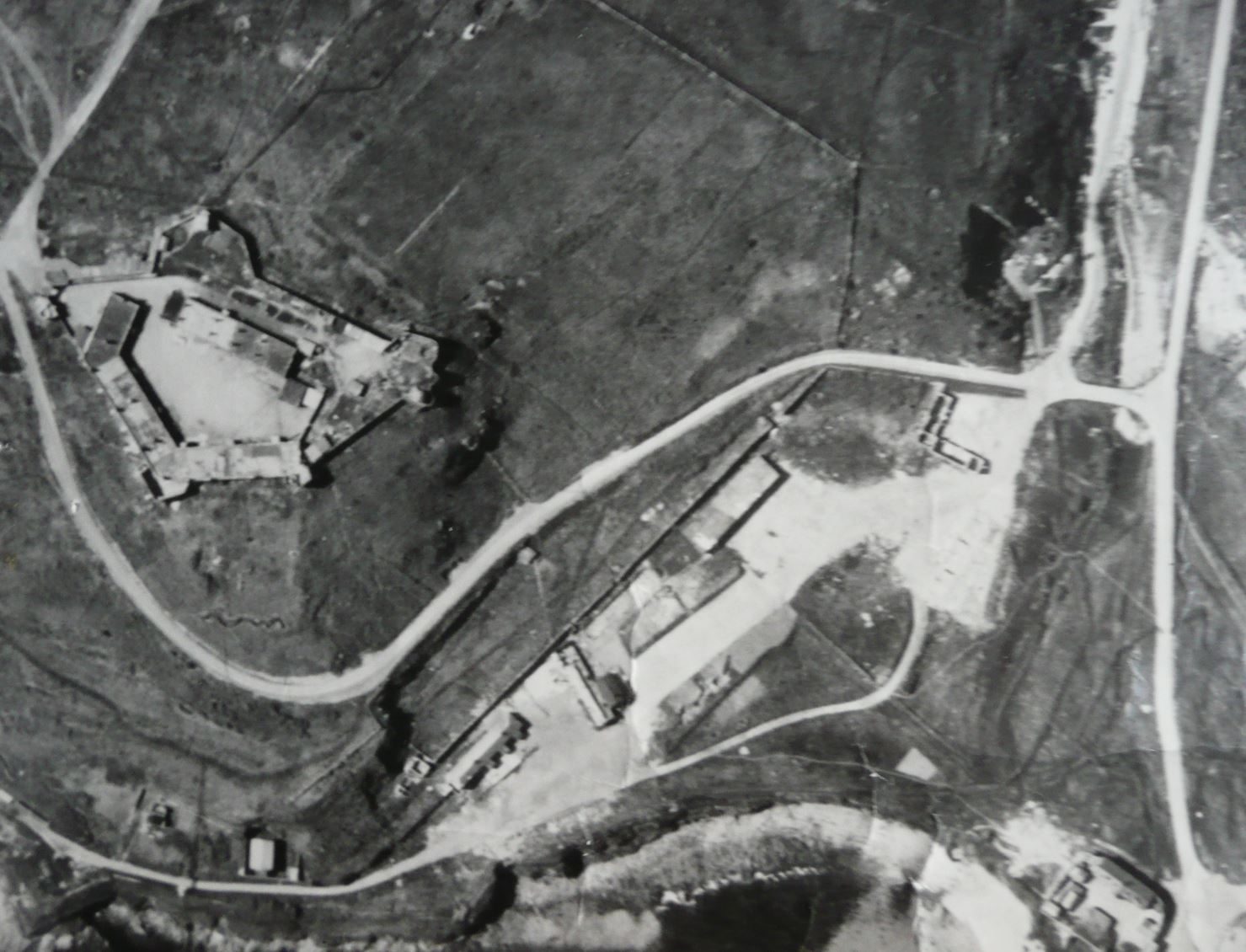
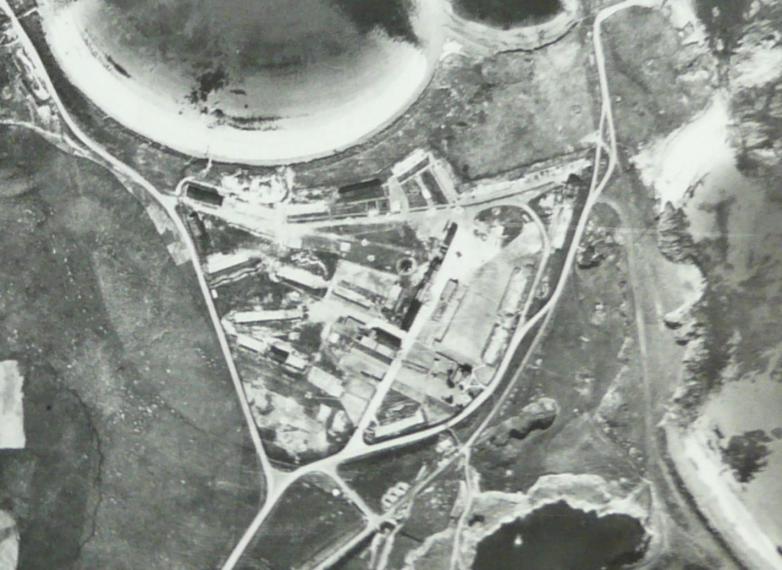
Norderney Camp in an Allied aerial photograph from World War II (PRO)
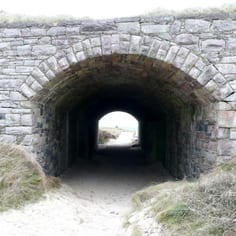
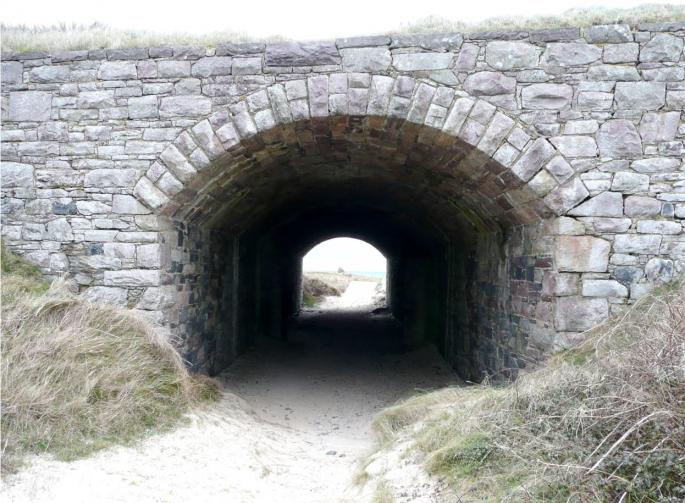
The infamous tunnel to the beach on Arch Bay survives, where the inmates were forced to rehearse their deaths on two occasions in the case of an Allied invasion.
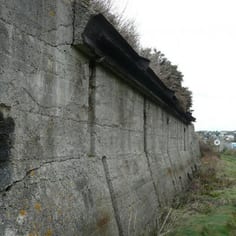
Relics of the large stone working plant near the Quarry
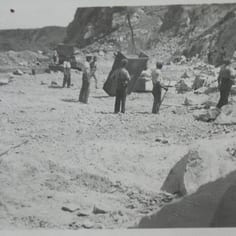
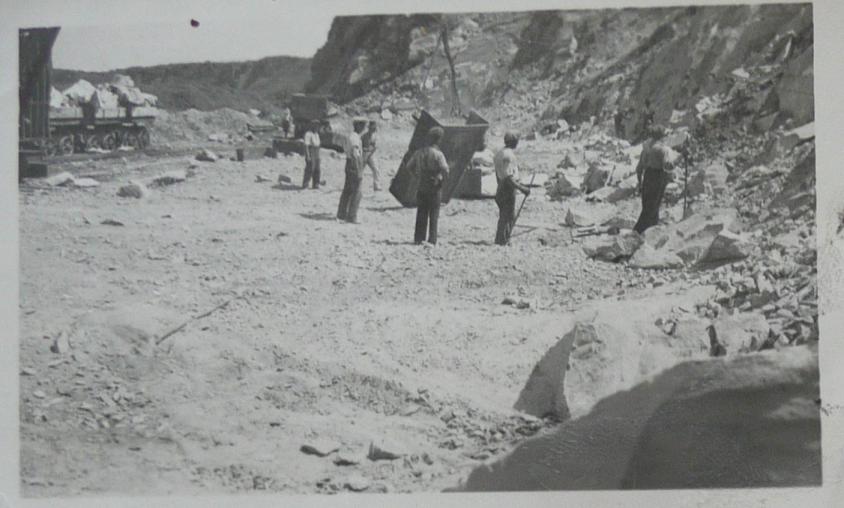
The Quarry at Work before 1942, with German and civilian workers (Ph. Alderney Museum)
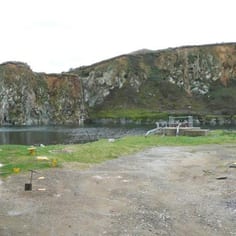
The Battery Quarry was one of the toughest work-sites for the prisoners of the SS. The stone was an important resource for the fortification works on the island.
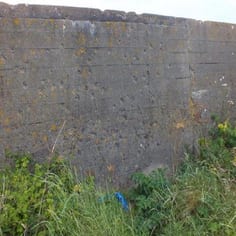
Possible execution site on the anti-tank wall, Longis Common. Some of the skeletons exhumed from the nearby grave pit 'had holes in their heads'.
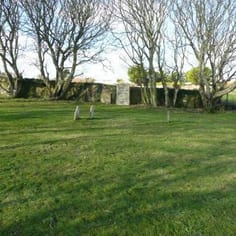
Relics of the German Cemetery today.
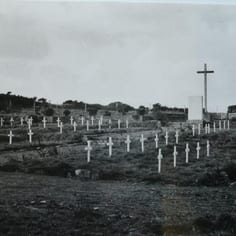
The German Cemetery depicted during or at the end of the war. The cemetery has now been largely dismantled. (Ph. Alderney Museum)
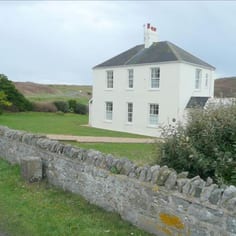
Norderney Camp - the former Kommandant's House (farmhouse).
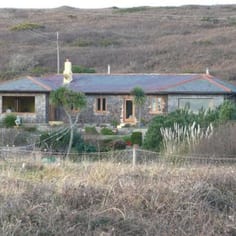
The 'Chalet' of SS Commandant, Maximilian List (or former camp brothel hut) still survives and was moved to its present location at Longis Common at the end of the War. The chalet has been extended at either end.
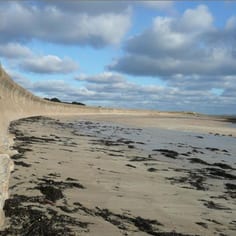
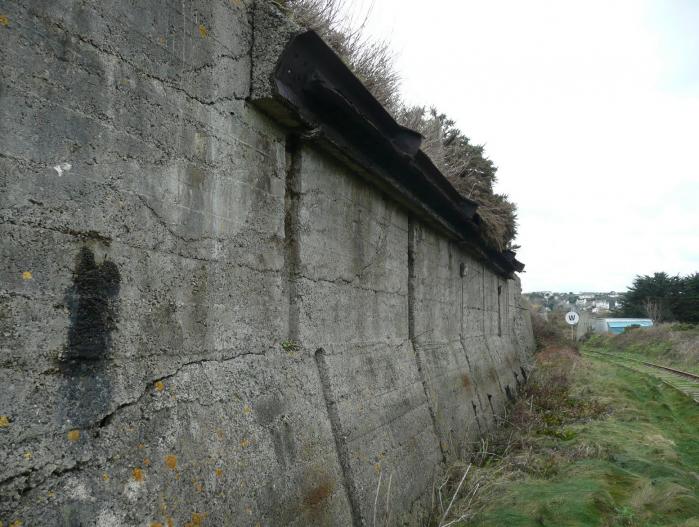
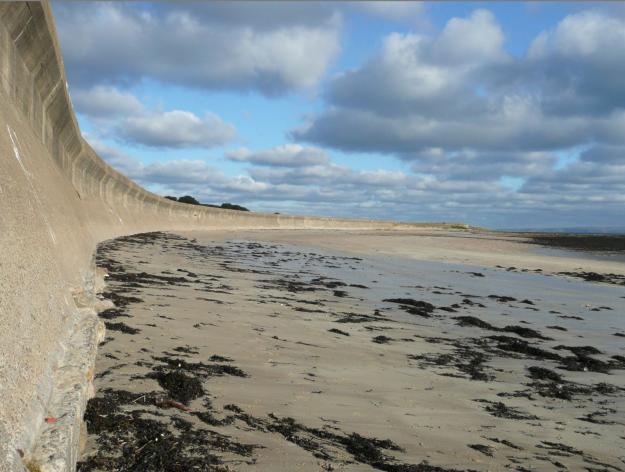
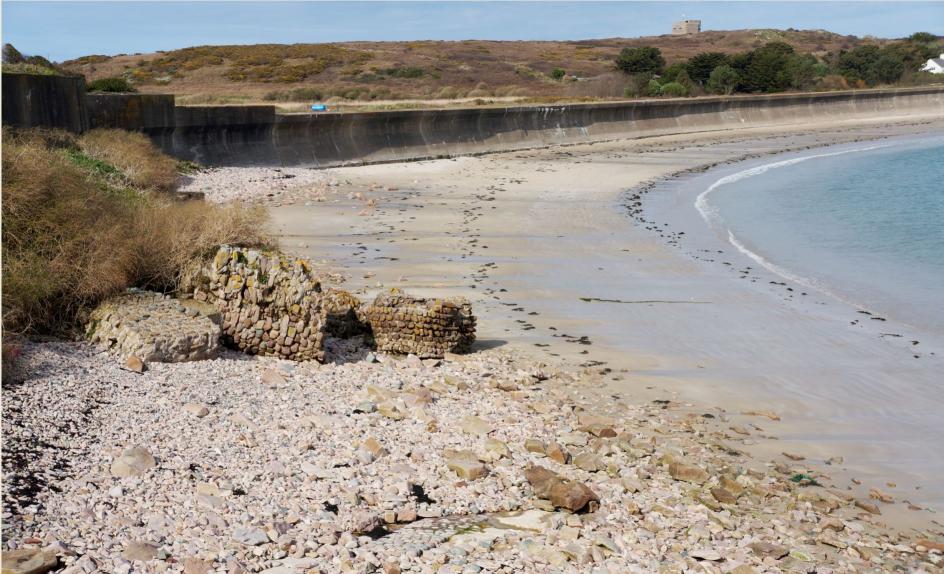
The massive Anti-tank wall at Longis Common, consumed 20,000 tons of concrete and cost the lives of many slave labourers - it was one of the worst work sites on the island.
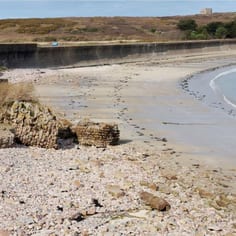
Anti-Tank Wall and probable site of beach burials - Longis Common
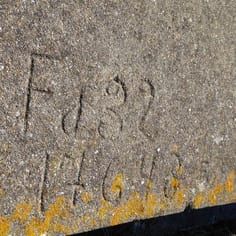
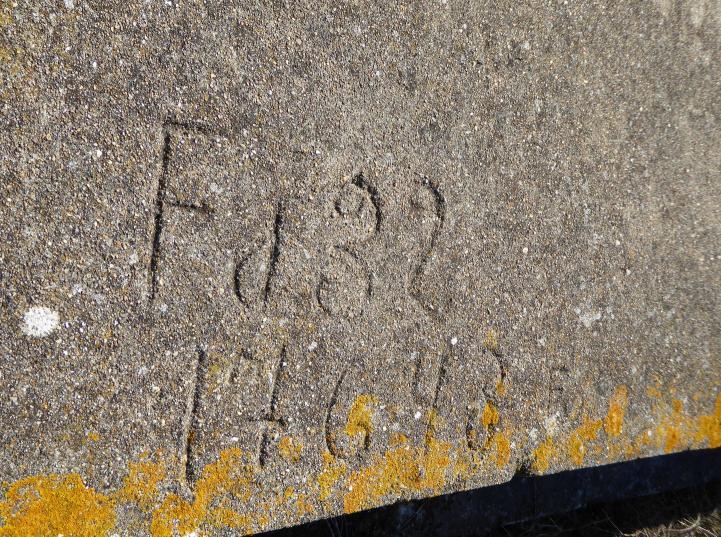
Graffiti on the anti-tank wall. The Fa32 may represent German military abbreviation for 'Freiwillige arbeits(dienst)', or 'Voluntary labour (service) suggesting it was built by 'volunteers'. The Russians called the wall 'Free-will Death' or 'Voluntary Death'.
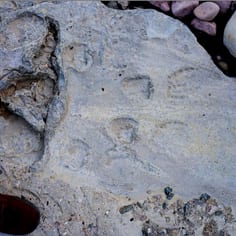
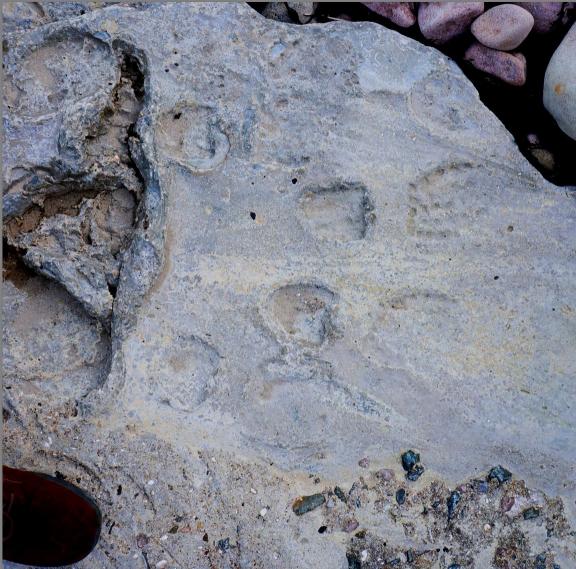
Foot prints in the concrete of prisoners or guards at the Anti-tank Wall, Longis, identified by JTrails.
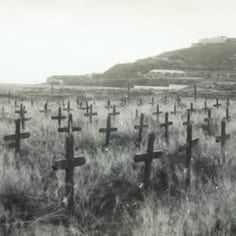
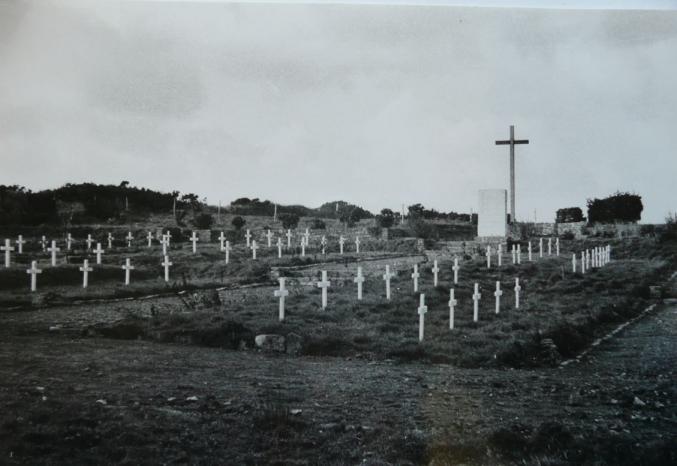
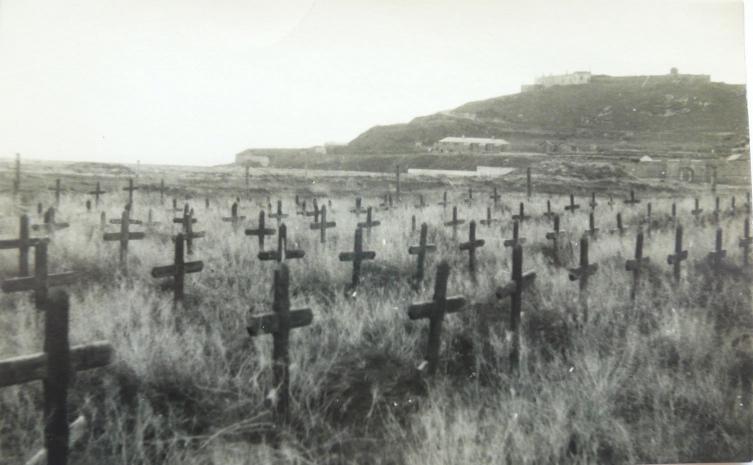
The Russian Cemetery at Longis Common photographed after the War and before the exhumation and repatriation of the Russian remains. (Ph. Alderney Museum)
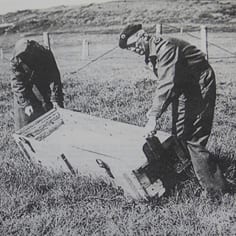
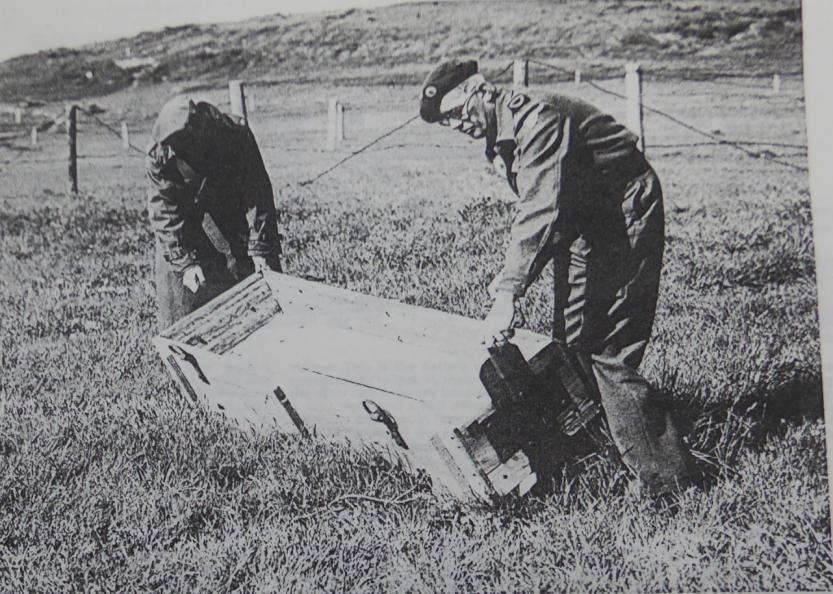
The false coffin used to transport and bury slave workers as discovered on Longis common at the end of the War.
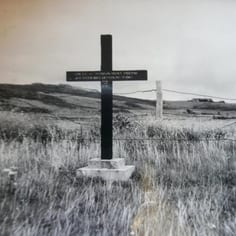
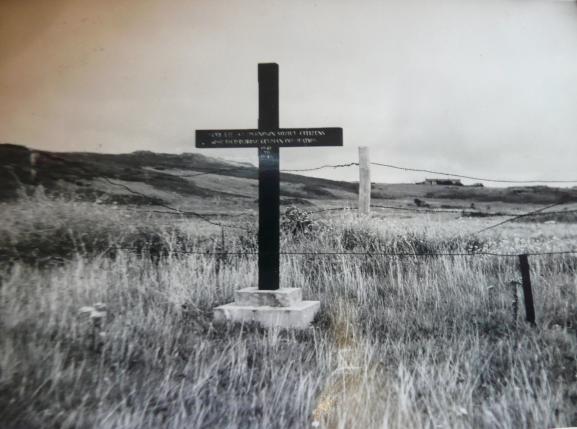
A former cross, on Longis Common cemetery, marking the site of a mass burial for 43 unknown Russian prisoners taken after the War (Alderney Historical Society)
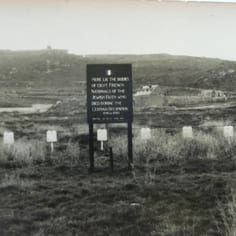
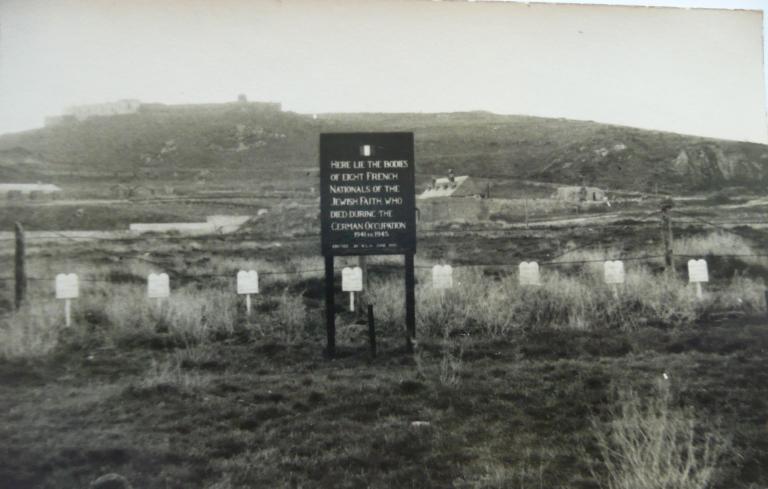
The Jewish Cemetery and graves at Longis Common, in a photograph taken at the end of the war and before the exhumation and removal of the Jewish remains. The marker board was provided by the Allies.
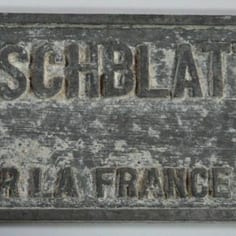
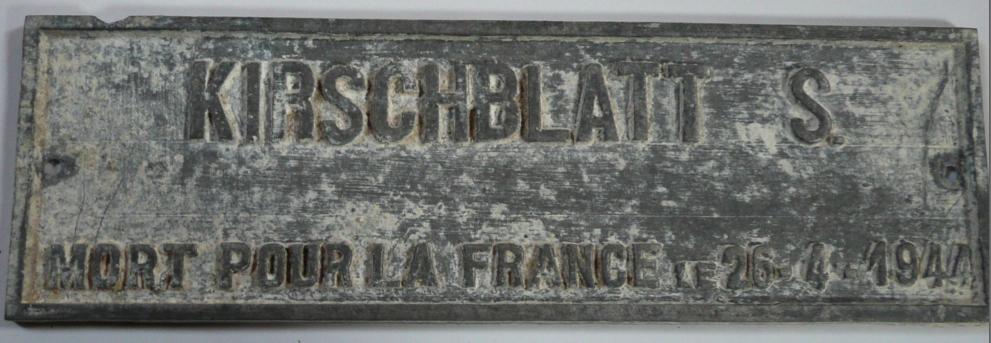
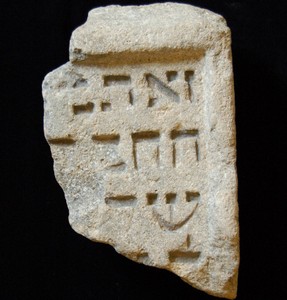
This grave plaque identified by JTrails and stored at the Alderney Museum, for Jewish prisoner Solomon Kirschblatt (b. 12.1.1897) is the only surviving individual grave marker of any of the slave workers on Alderney and was fixed to his grave marker after the War.
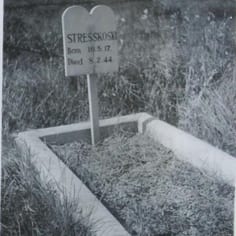
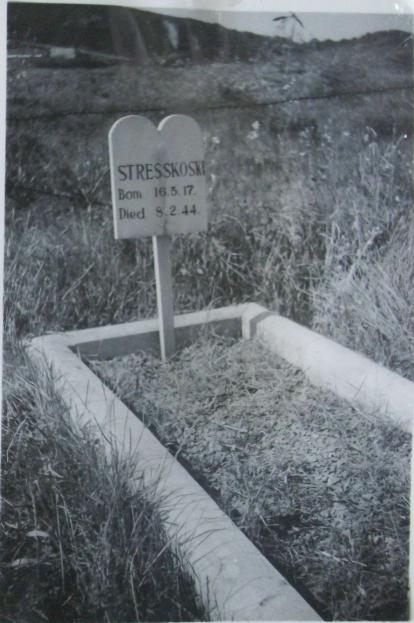
One of the Jewish graves on Longis Common, shown post-war when the 'Amicales' had added kerb-stones to the graves, in accordance with common Jewish burial practice in communal cemeteries.
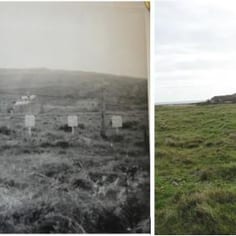
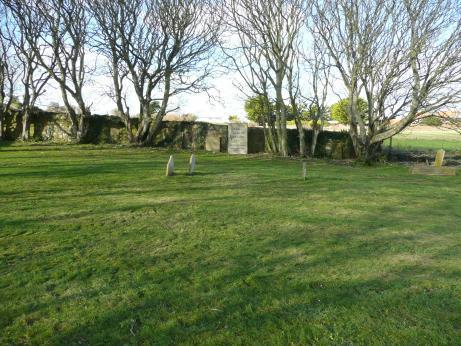
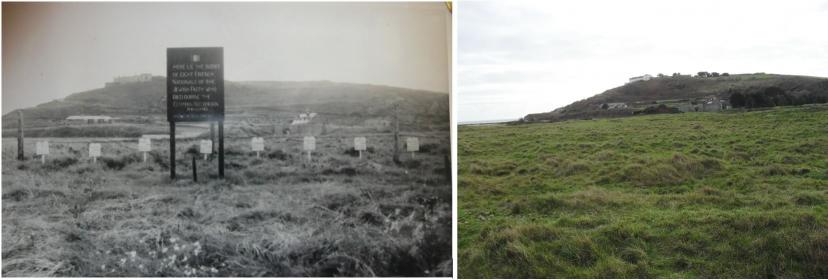
Comparative Photography showing the Jewish cemetery site past and present. A small earthwork can be seen in both photographs.
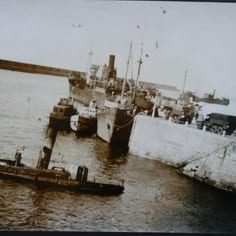
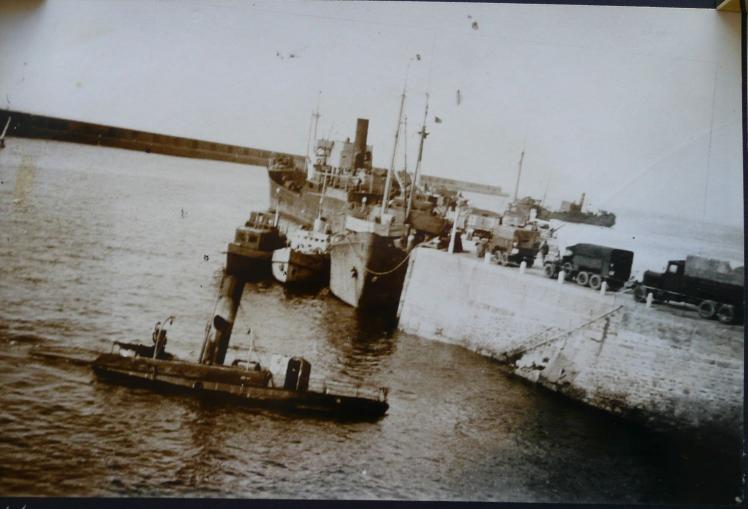
The crowded Jetty and Harbour before it was extended using slave labour (Ph. Alderney Museum)
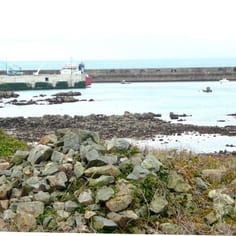
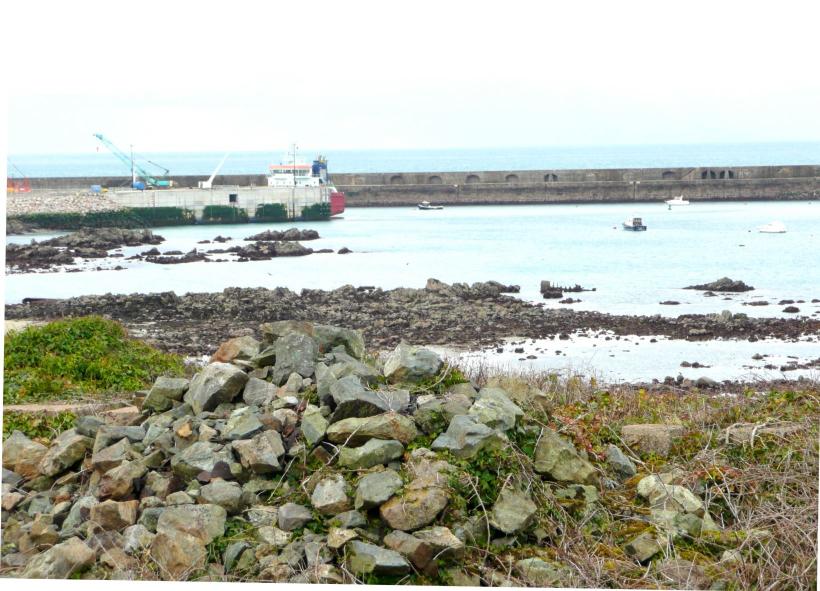
The Harbour and Breakwater St Anne's was a major location for slave labour and many Jewish prisoners worked there. The extension of the Jetty and breakwater was a major project using slave labour and the end of the breakwater was alleged used for dumping bodies into the sea.
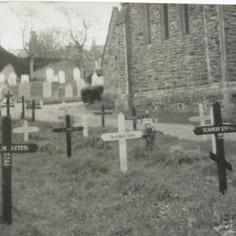
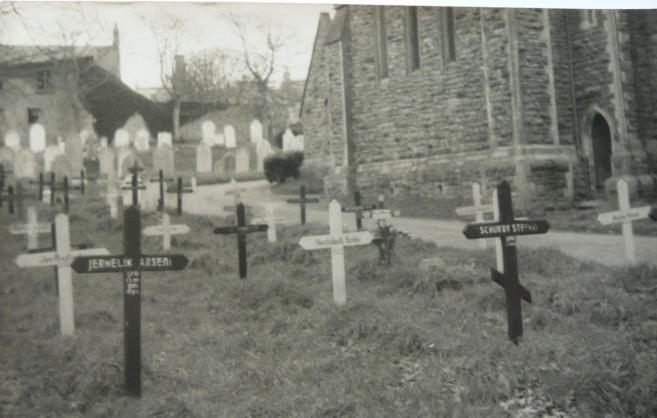
The Russian Cemetery at St Anne's Church after the war. A photograph of 1952 shows this site without any grave-markers. The site was exhumed in 1961, though at least one burial appears to have been left at the back far-hand right of this picture on the corner next to the path. Five additional graves of Dutch workers were also found and emptied at the front of the church.
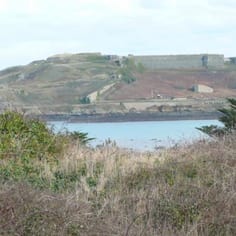
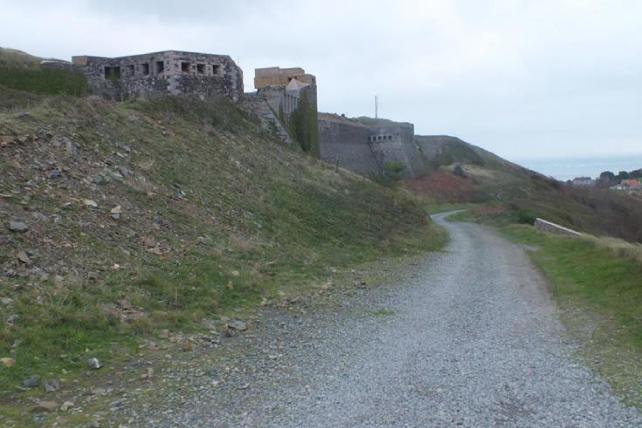
Fort Albert was a site of heavy labour for SS prisoners. Some were allegedly murdered in acts of mass murder by throwing them of the cliffs.
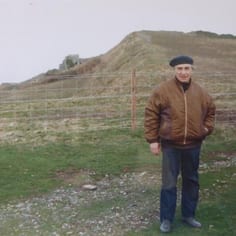
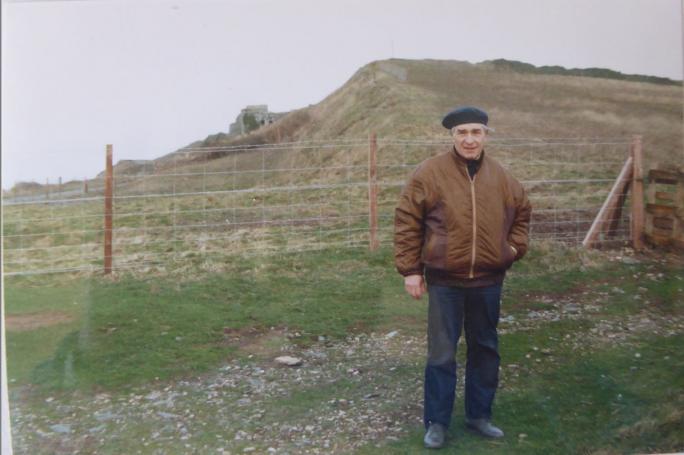
Georgi Kondakov at the site of his first day of work on Alderney (the Glacis of Fort Albert) forty years on (Ph. Brian Bonnard)
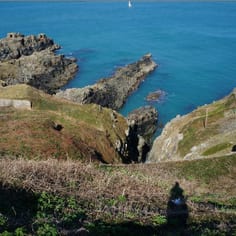
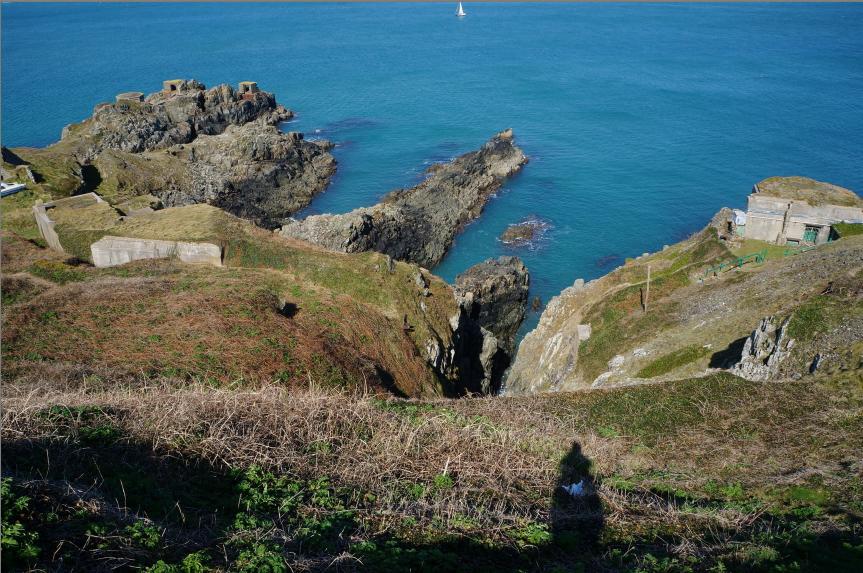
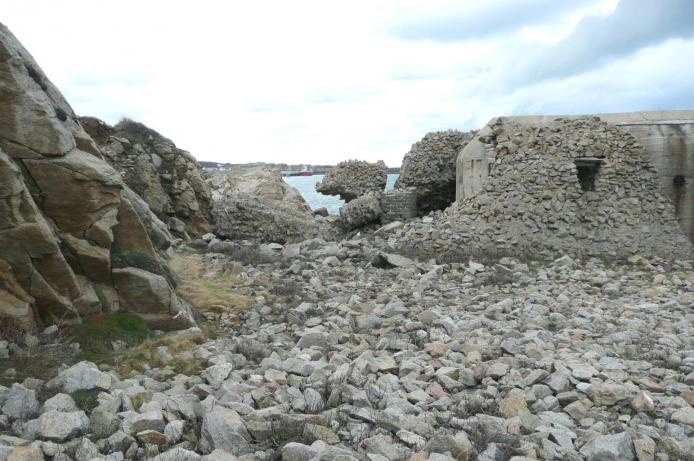
Fort Albert: this site, off a former concrete bridge spanning the chasm and very close to the former observation tower,is thought to be where prisoners were pushed over the edge of the cliffs according to Dalmau. Also the site with the two pill boxes at Roselle Head (upper left) are also stated to be a disposal site. Piles of bones under the sea and against the cliff were seen after the War.
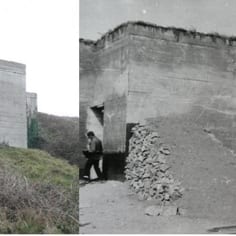
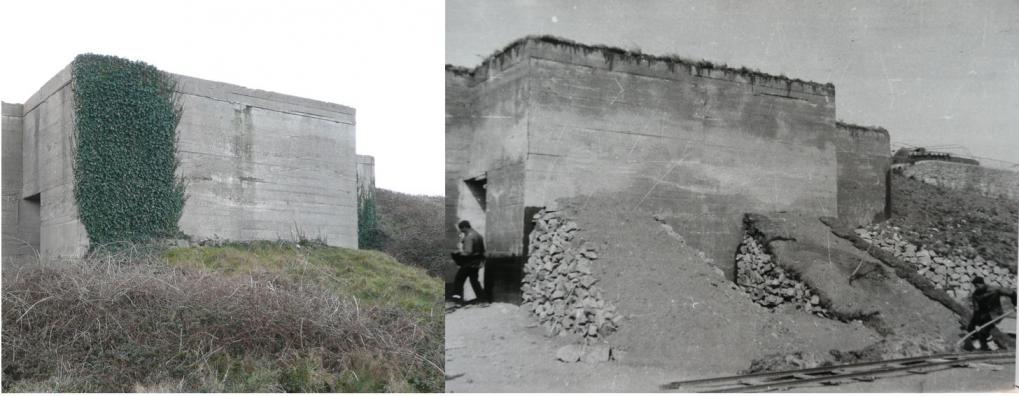
Construction of a bunker at Fort Albert by slaves and the same scene today (M. Roberts / Alderney Museum)
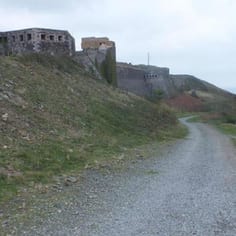
The Granite Road to Fort Albert constructed by slave labourers
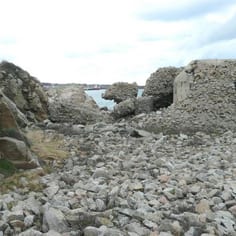
Part of the Strong Point Biberkopf, at Bibette Head constructed by Concentration Camp prisoners from Lager Sylt.
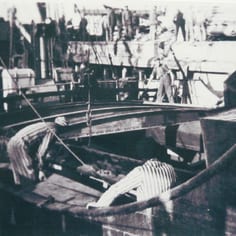
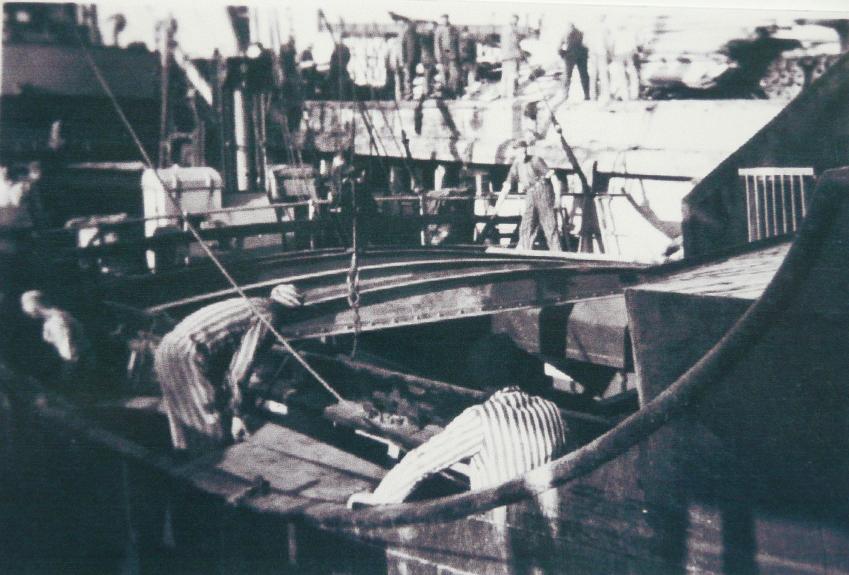
SS prisoners from Camp Sylt, who included many Jews, working at the Harbour in their striped camp uniform (Ph. Alderney Museum)
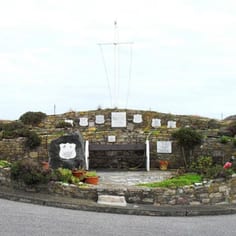
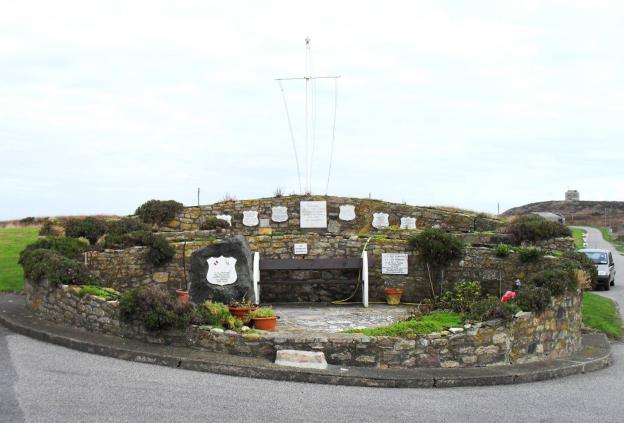
The Hammond Memorial is a memorial created by the Hammond family, which stands at one end of the Island and is one of the main focus points for acts of individual and corporate acts of commemoration for the prisoners on Alderney.
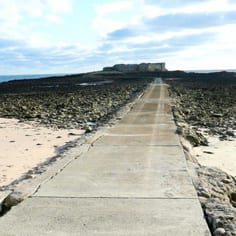
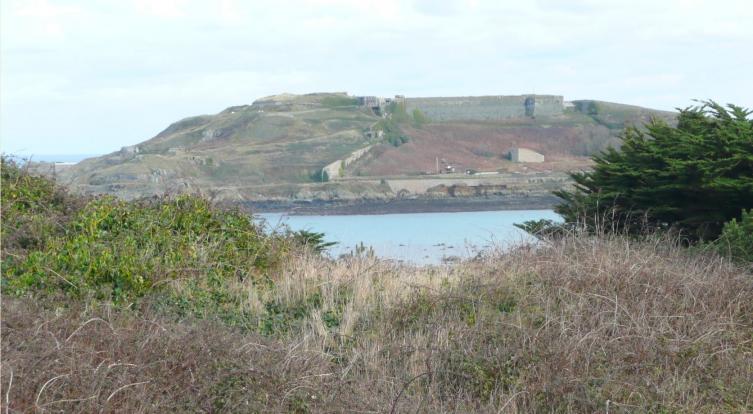
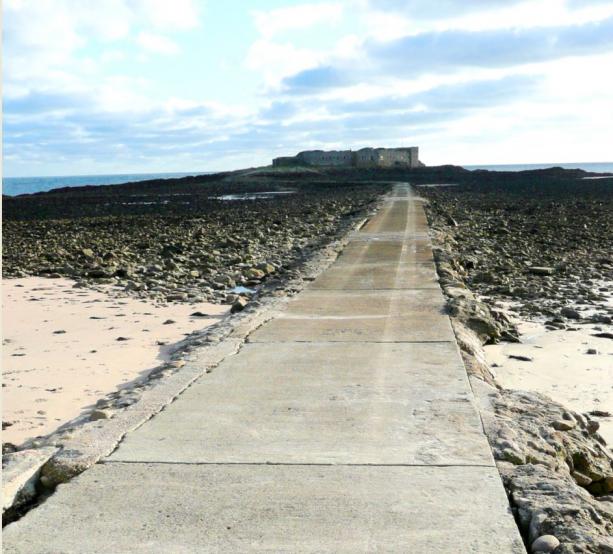
Raz Island and Causeway. The Germans refortified the island and constructed the causeway using slave labour.