Back to the The International Dr. G.W. Leitner Trail trail
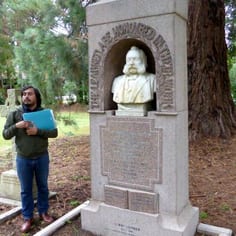
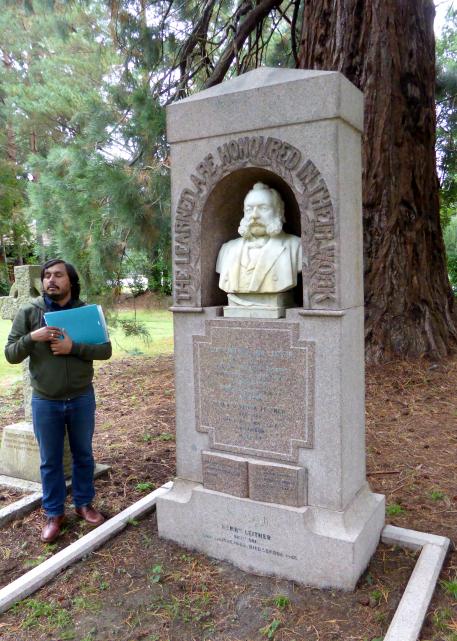
The grave and memorial of Dr. G.W. Leitner, in a small plot containing Jewish Christians, with the author of the Woking Muslim Trail, Tharik Hussain, taking a group from the Oxford University 'Jewish Country House Project' on a first iteration of the new trail, officially opened 26 July, 2019.
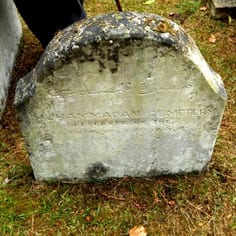
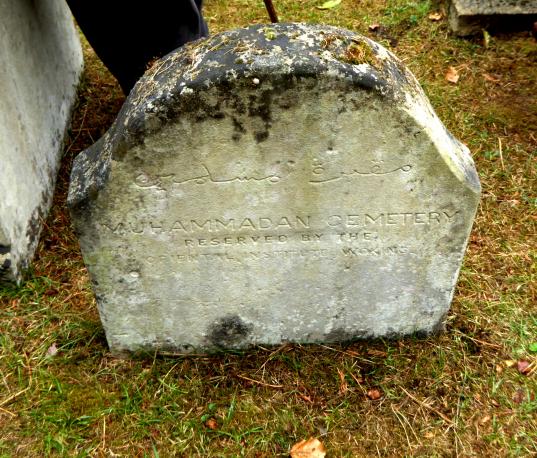
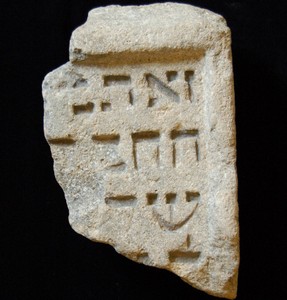
The first UK Islamic Cemetery, 1889. The Foundation Stone and Islamic Cemetery Marker showing the plot that Leitner has reserved in the municipal cemetery for Muslim use and the Oriental Institute. He also provided an inscribed stone giving basic instructions for carrying out an Islamic burial! (Image M. Roberts). The Cemetery, while small, has many important burials the grave site of Abdullah Quilliam (1856 - 1932), 'Britain's first Sheikh-ul-Islam, founder of Britain's first mosque and Muslim publication', is in the cemetery.
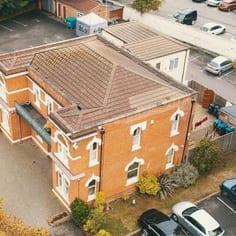
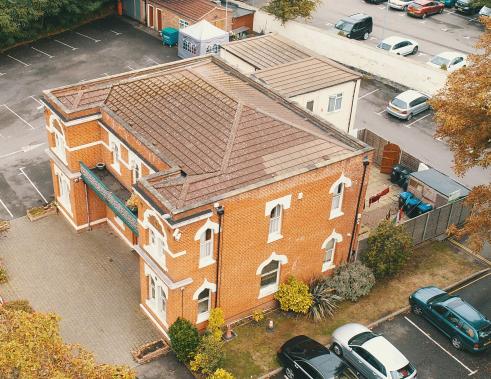
The Lodge next to Woking Mosque, which functioned as a museum and gallery, as it housed part of Leitner's Gandharan art collection and was the first permanent display not only of Gandharan art, but one almost entirely specialising in Gandharan art, in the UK and where the art could be studied and appreciated on its own terms (image 'Heritage Drones')
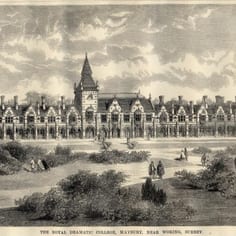
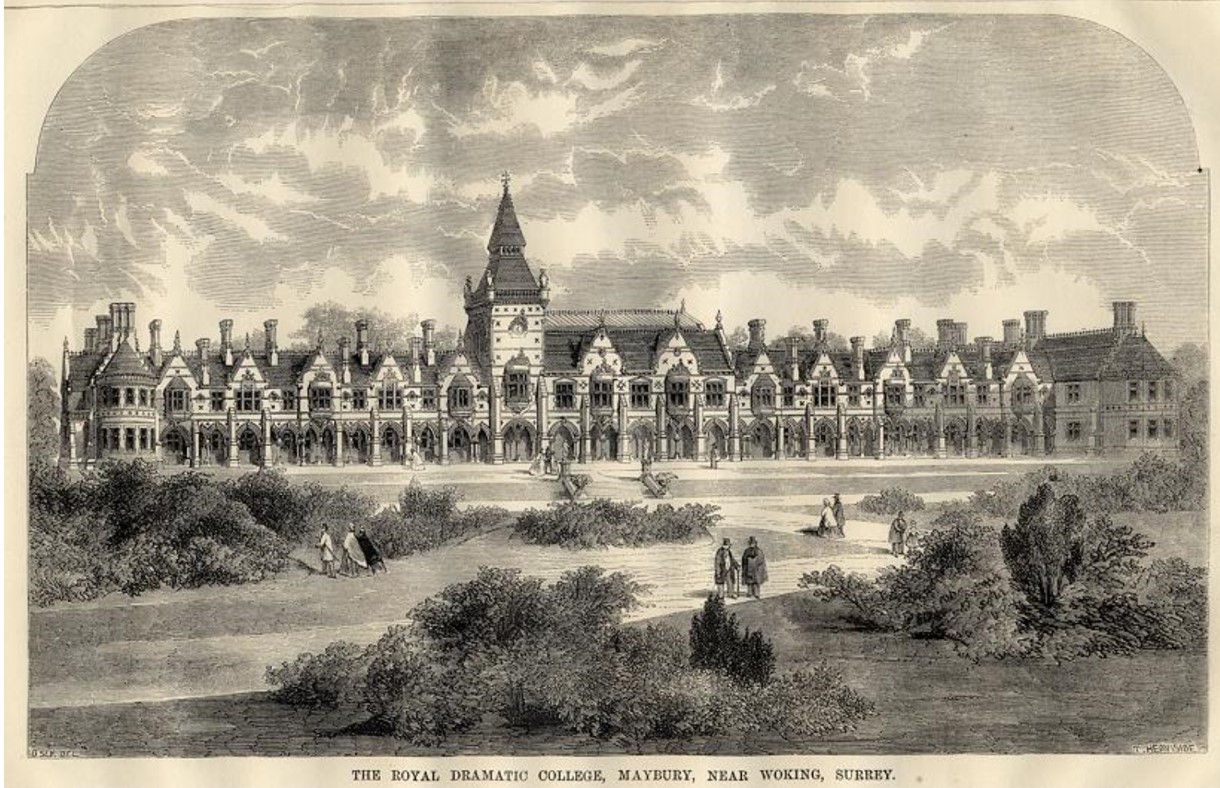
An etching of part of the façade of the Royal Dramatic College, in Woking, which Leitner purchased when it became defunct and converted into his Oriental College, the main Campus. The Mosque and other planned religious buildings were on a separate site, away from the re-purposed Royal Dramatic College.
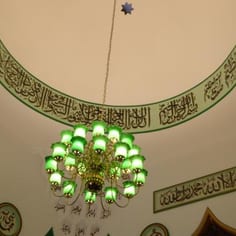
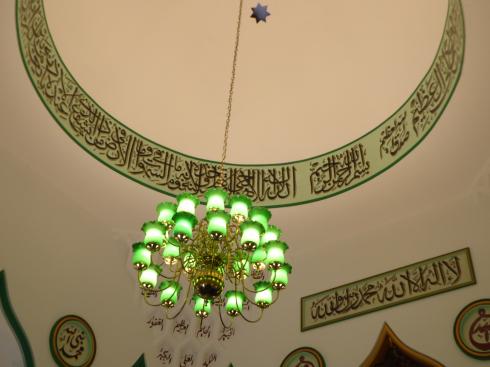
Part of the beautiful interior space and calligraphic decoration, of Woking Mosque
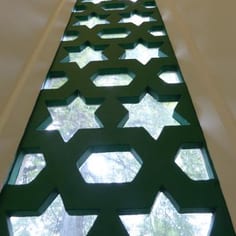
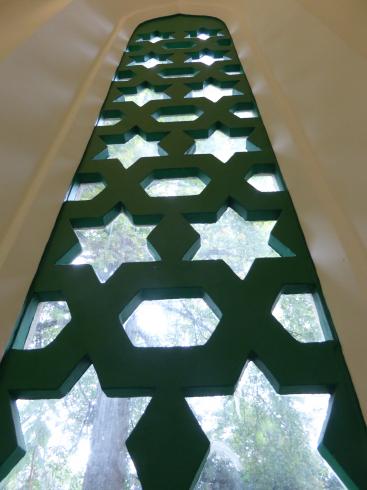
Woking Mosque and use of 'Star of David' motifs may suggest the Jewish origins of Leitner himself. (image M. Roberts).
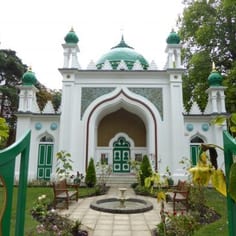
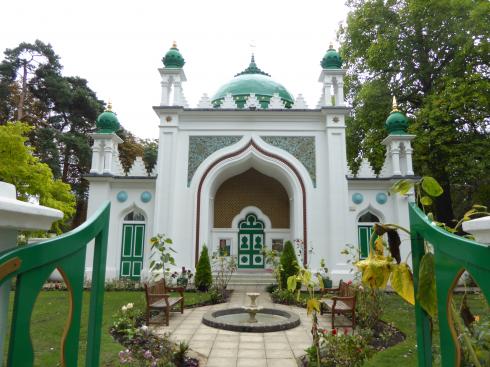
Woking Mosque, Founded by Dr. Leitner
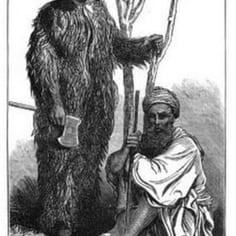
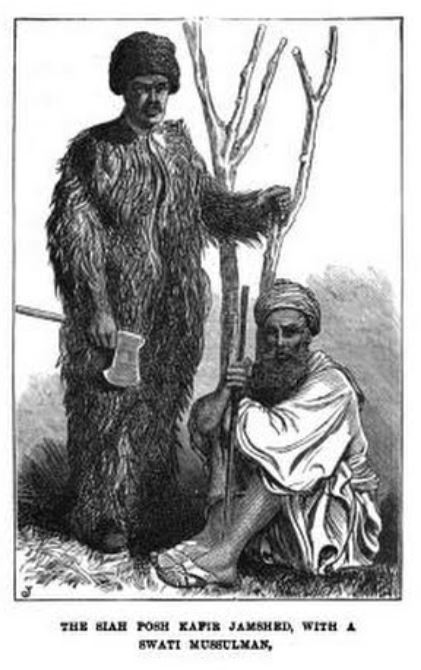
An etching of Jamshed, one of Leitner's 'Siah Posh Kafir' retainers, who he brought back with him to Europe and was considered of considerable ethnological interest, along with the Exhibition.
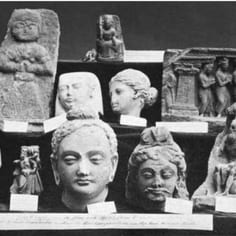
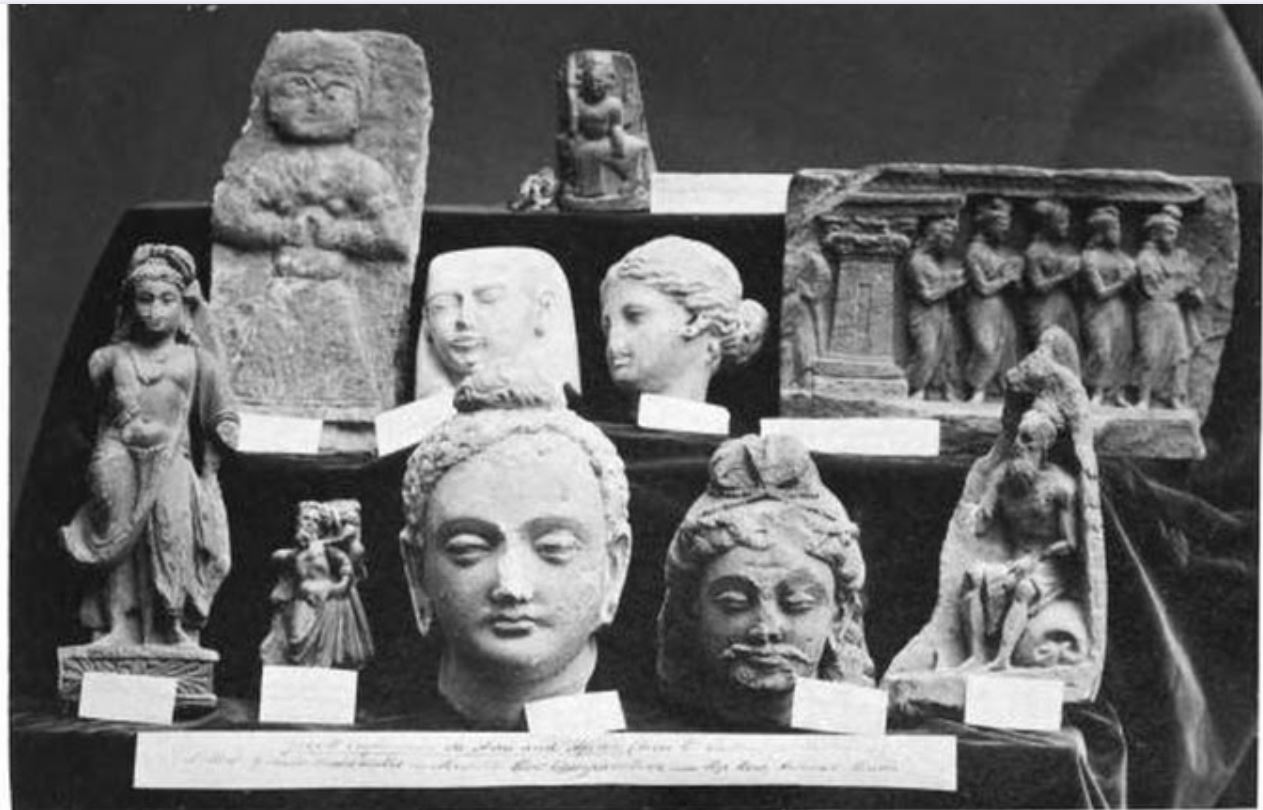
An important photograph of part of Leitner's original 'wandering collection' of Gandharan art, on display at an exhibition, with simple hand-written labels.
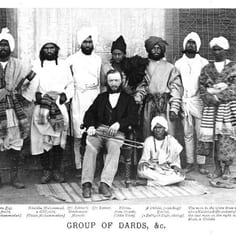
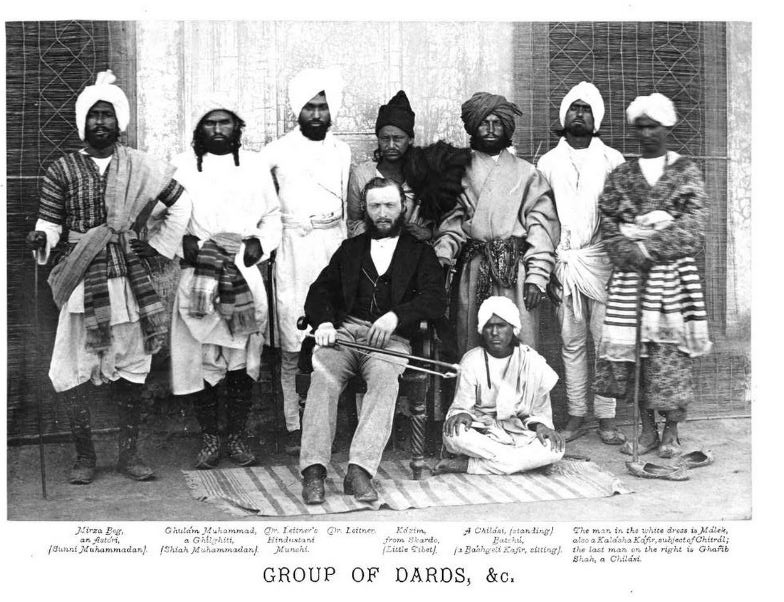
Dr. G.W. Leitner's household. Leitner preferred to surround himself with native people, partly as he wished to study and learn their dialects and languages and he had a fascination with 'Dardistan' (Afghanistan). Some came with him as retainers to England. His publication of 'The Races and the Languages of Dardistan' (Lahore, 1867-1871) was considered an important and authoritative work.
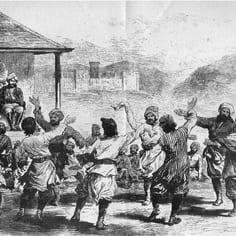
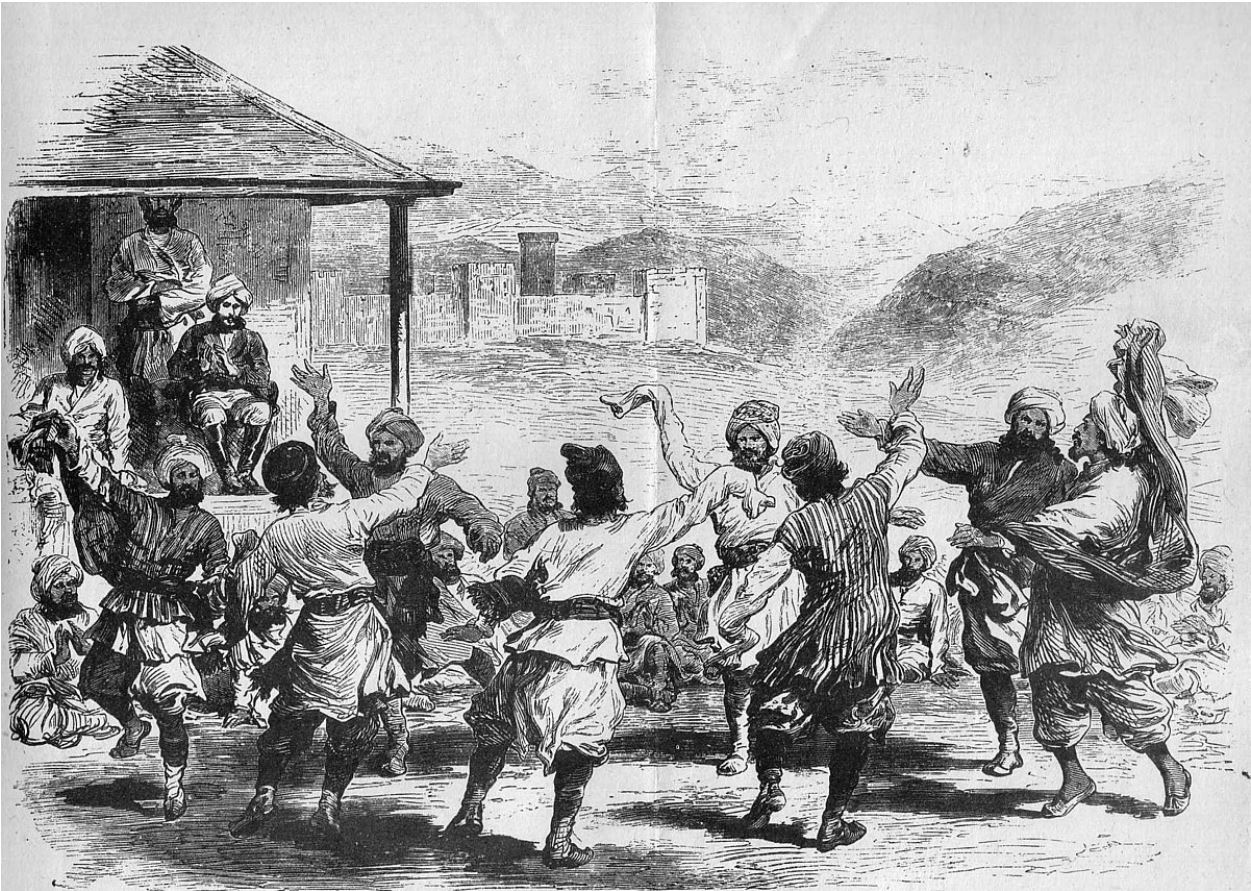
A dance at Gilgit, an ethnological image, used to illustrate one of Leitner's books, with Leitner depicted sitting and watching from a veranda. Leitner conducted his researches with a pencil in one hand and his revolver in the other.
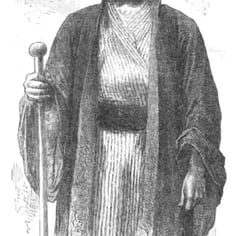
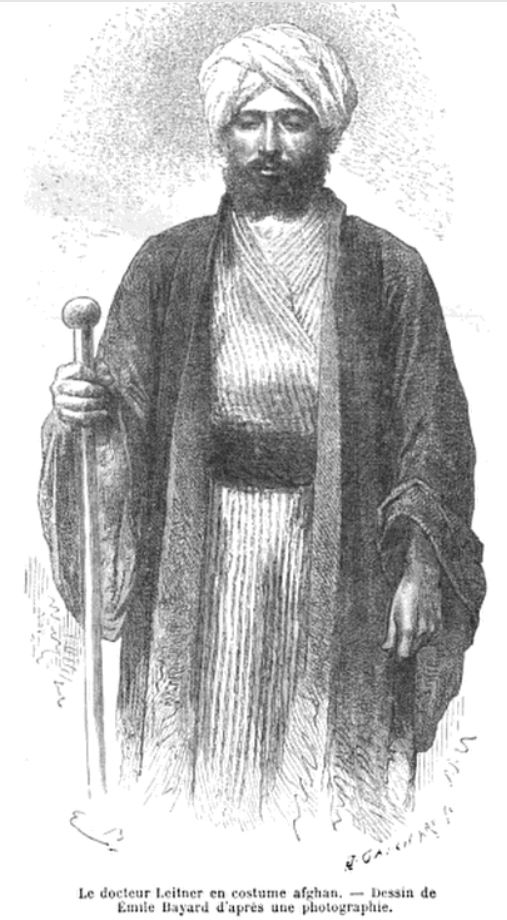
Leitner in Afghan clothing, disguised as an Islamic scholar, during his explorations in Afghanistan and Northern India. His ability to speak native dialects and knowledge of Islam and relationships with his retainers from the areas he was exploring no doubt helped keep him safe.
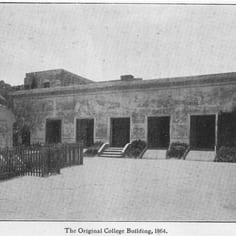
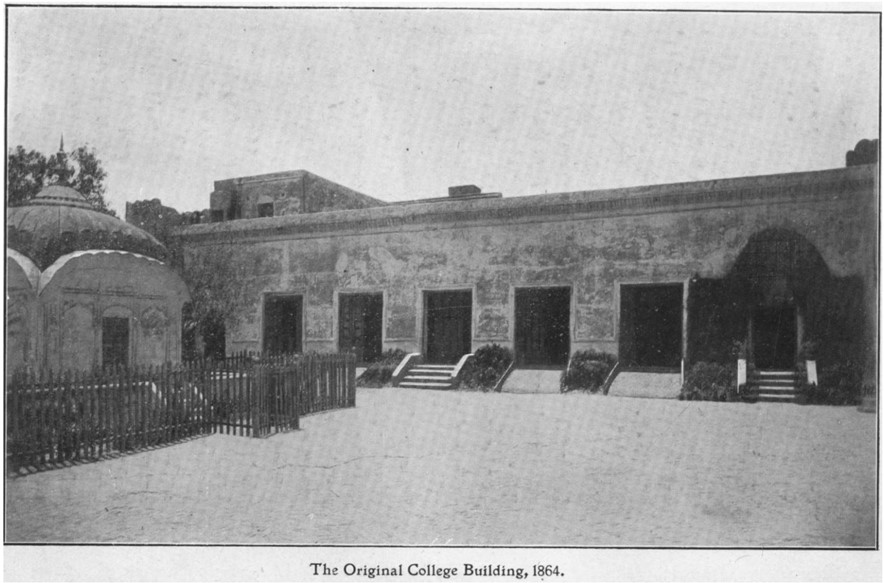
The former Government College in Lahore, Leitner's first post in India, was set up in part of the Palace of Raja Dhyan Singh Haveli (though the University has had several sites) on which he was to build an outstanding career of public service, promoting Indian languages and native peoples.
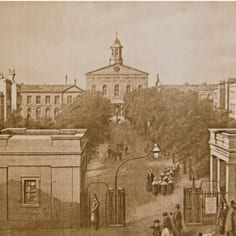
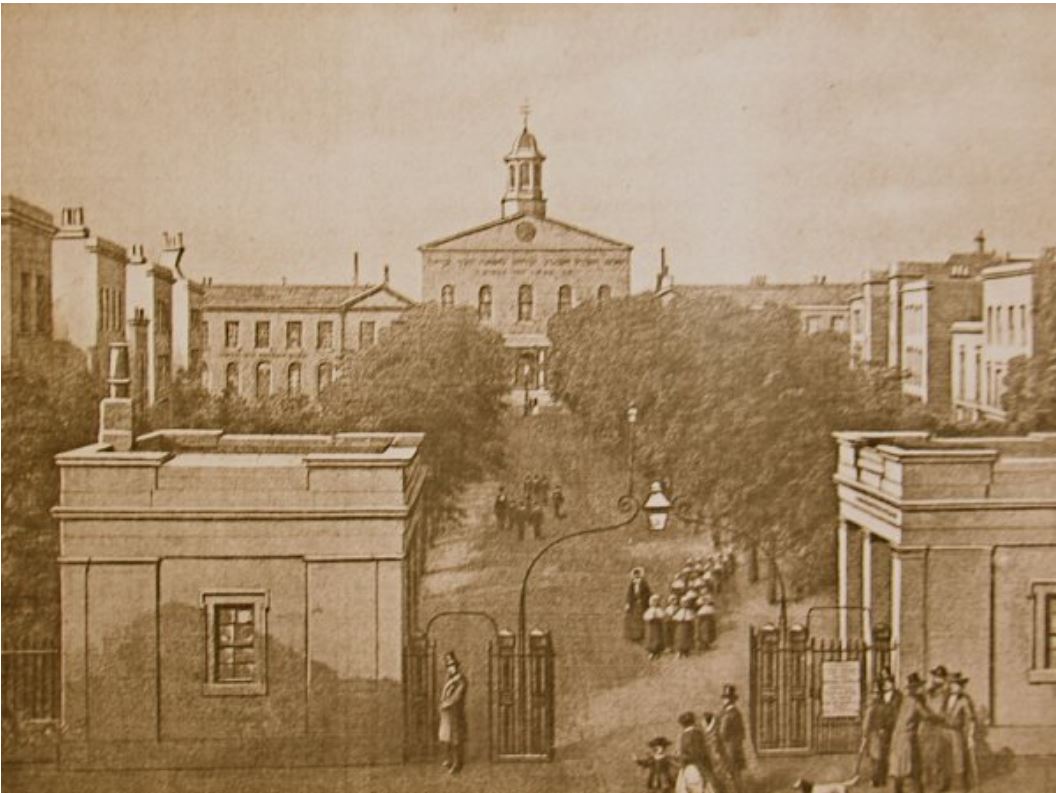
An image showing the international headquarters of the London Society for Promoting Christianity Amongst the Jews, at Bethnal Green, in the East End of London. The image shows the respectability and order, within the gates of the institute, the 'Operatives Chapel' (Messianic-Jewish converts' chapel), children who were being educated in the mission school, and the group of probably Jewish figures at the front right-hand side are being challenged by a missionary to convert to Christianity.
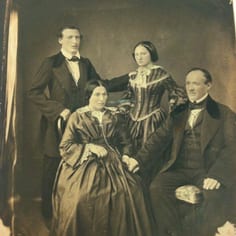
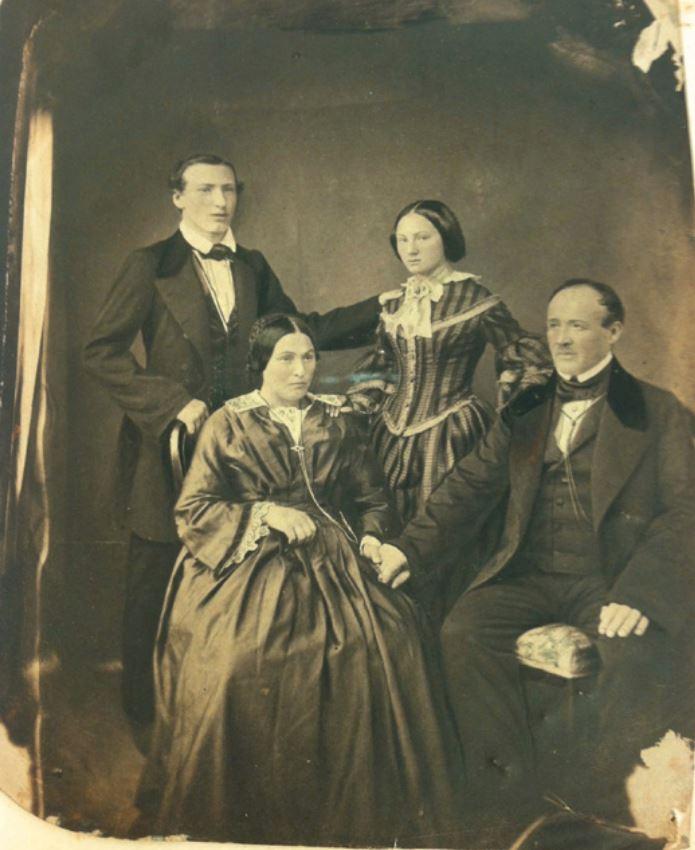
A remarkable picture of the Leitner family in Constantinople, showing his step-father, Dr. Leitner, a man of great passion and conviction and his mother and at the rear G.W.Leitner with his sister, Elizabeth, who was also baptised and became Elizabeth Amery, when she married, and her son, Leo, who hid his Jewish identity and became a British Cabinet Minister who drafted the Balfour Declaration.
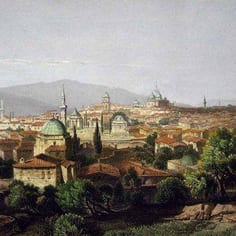
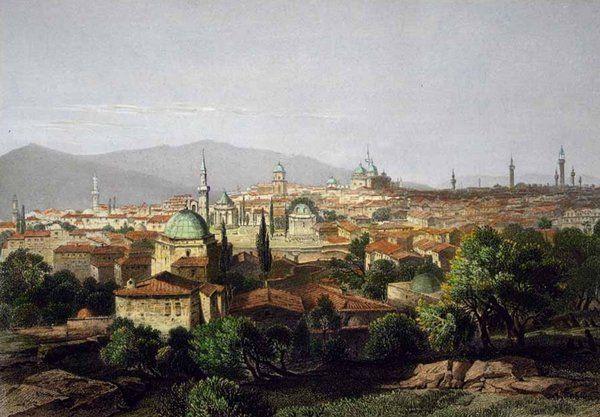
Ancient Bursa, in Turkey. G.W. Leitner's mother moved the family to Turkey where she married Dr Leitner and converted to Protestantism. Dr. J. M. Leitner had converted from Judaism to Protestantism and was baptised in October 1844, having read one of the gospels in the house of a Jewish friend.
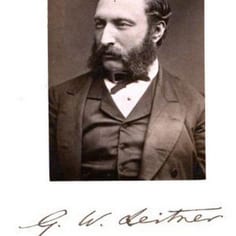
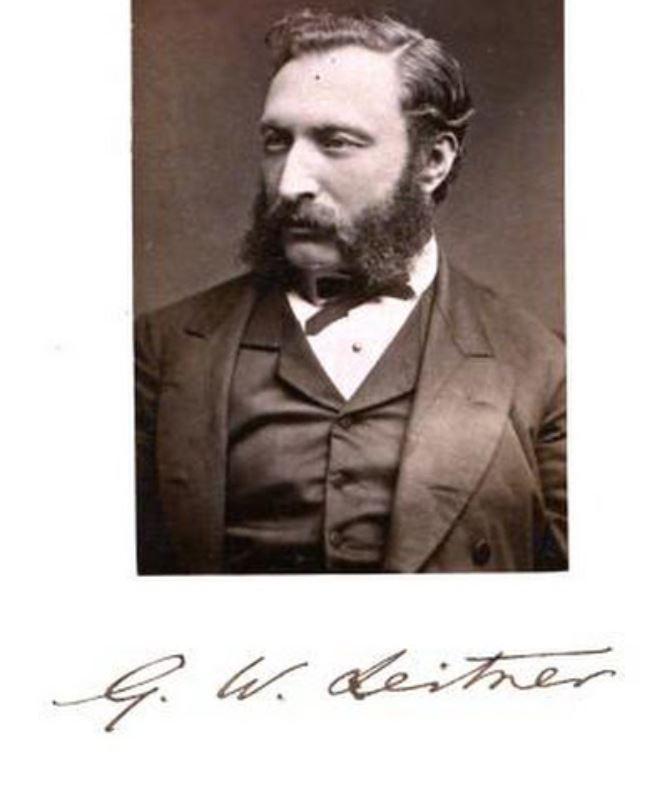
A photograph of Dr. G.W.Leinter, from his book on the races and languages of the natives of Dardistan.